
LEADER Project “Educational Initiative – Natural Treasures of the Western Weinviertel”
Project Title:
LEADER Project “Educational Initiative – Natural Treasures of the Western Weinviertel”
Client:
Association Naturforum Westliches Weinviertel
https://leader.co.at/2018/05/01/bildungsprojekt-naturschaetze-im-westlichen-weinviertel/
Relevance to Nature Conservation / Renewable Energy
Under the project management of the association ‘Naturforum westliches Weinviertel’ (Western Weinviertel Nature Forum), preliminary work was already carried out between October 2016 and April 2017 as part of a planning project. Together with local political decision-makers, representatives of the Austrian Power Grid AG (APG) under the direction of Dipl.HLFL.Ing. Sven Aberle, MSc (GIS), and the creative project team, an education and implementation concept was developed and cooperation partners were recruited.
After years of networking, discussion, and planning, the main project “Natural Treasures of the Western Weinviertel” was presented by the project team—comprising Project Leader Ing. Reinhard Zöchmann (President of the Lower Austrian Winegrowers’ Association, Member of the Lower Austrian Chamber of Agriculture, and winegrower), Mag. Dr. Rainer Raab (zoologist and great bustard expert), and Florian Danzinger, MSc (landscape ecologist and conservation biologist)—at the meeting of the Board and Selection Committee of the LEADER Region Weinviertel-Manhartsberg on 23 May 2018. The project received positive approval from the committee.
Building on the plans and findings of the preliminary project, the following work packages were continuously implemented in the three partner municipalities:
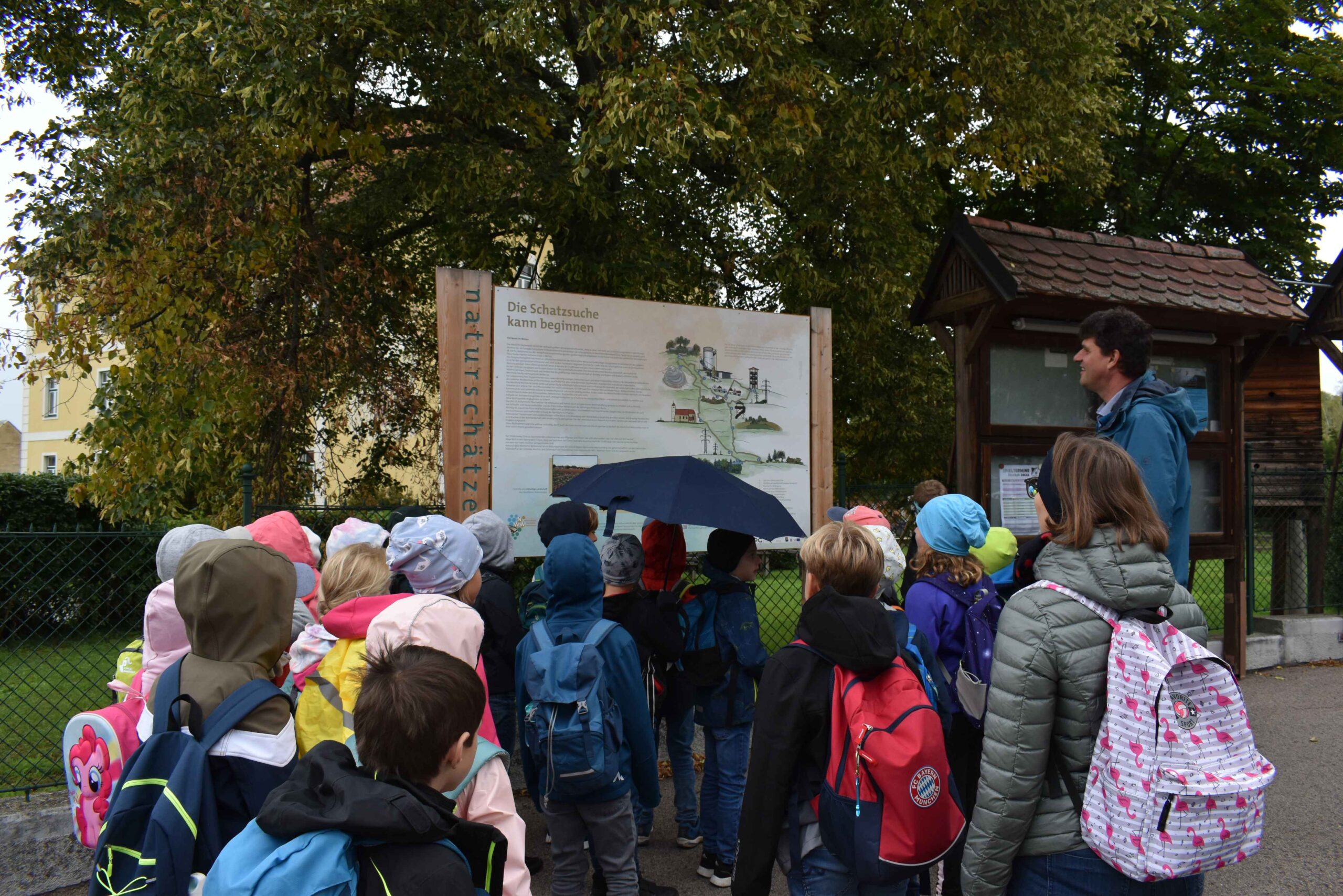
- Integration of existing and creation of new interactive information infrastructure in the form of a circular trail through the municipalities of Röschitz, Sitzendorf, Zellerndorf, and Straning-Grafenberg.
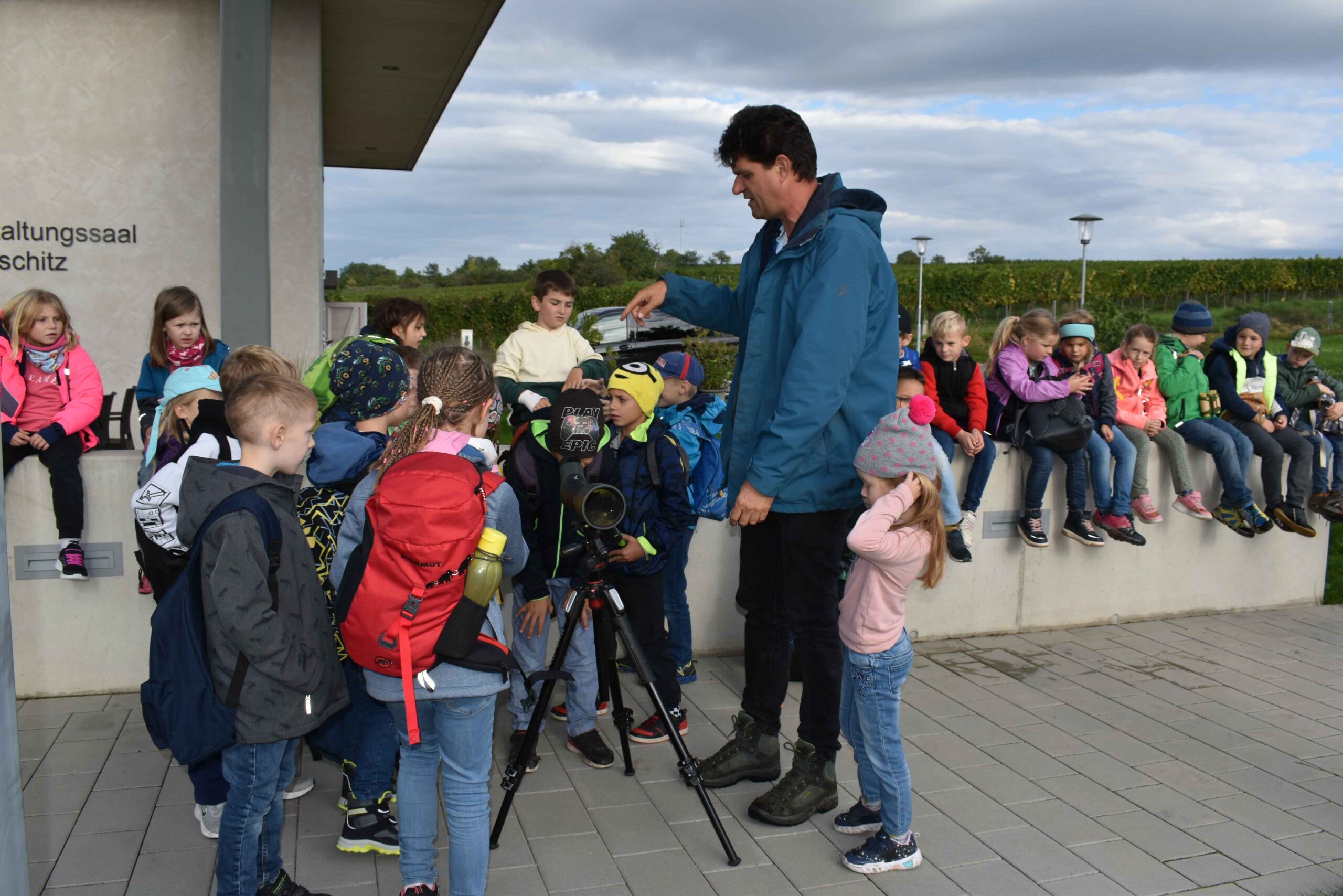
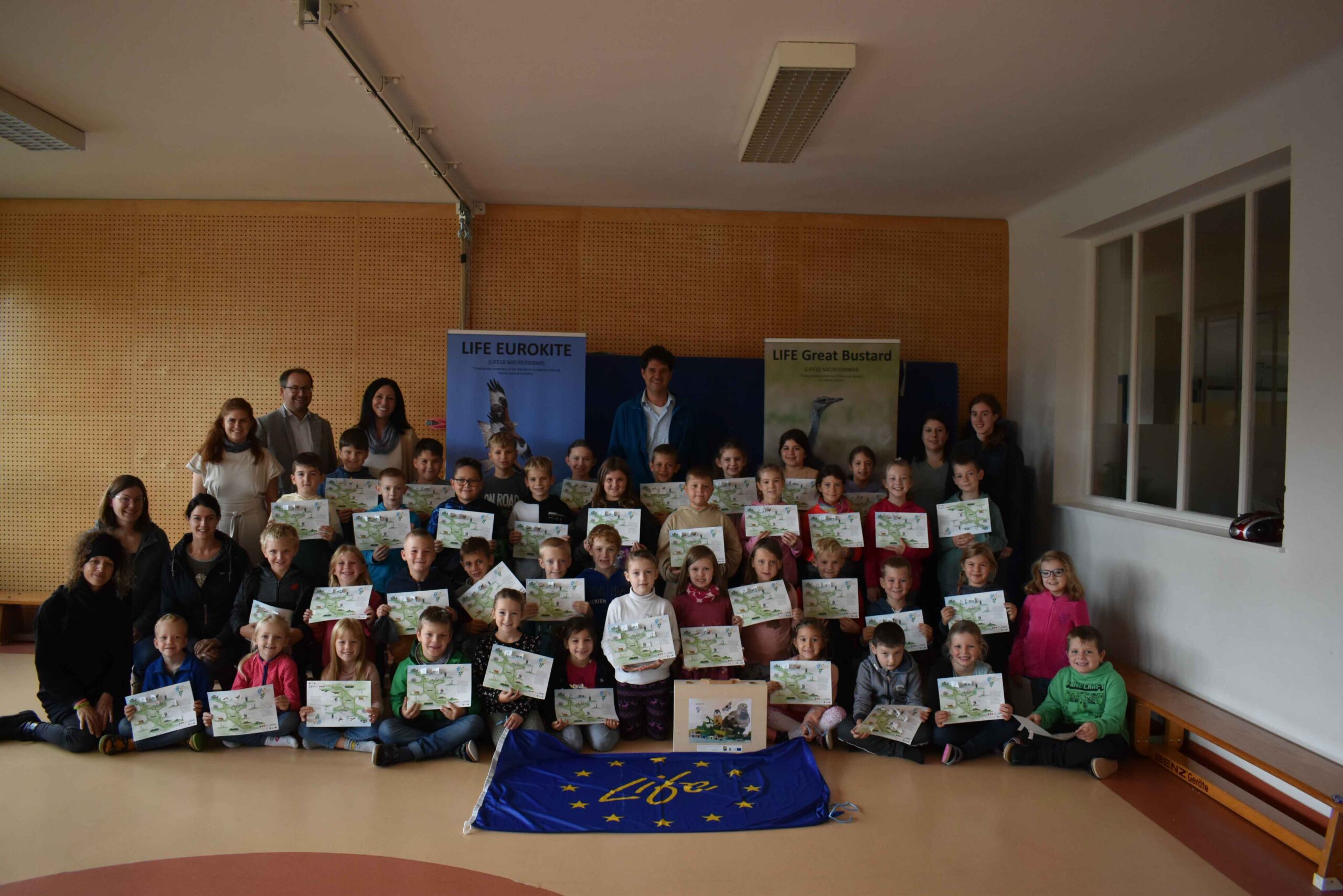
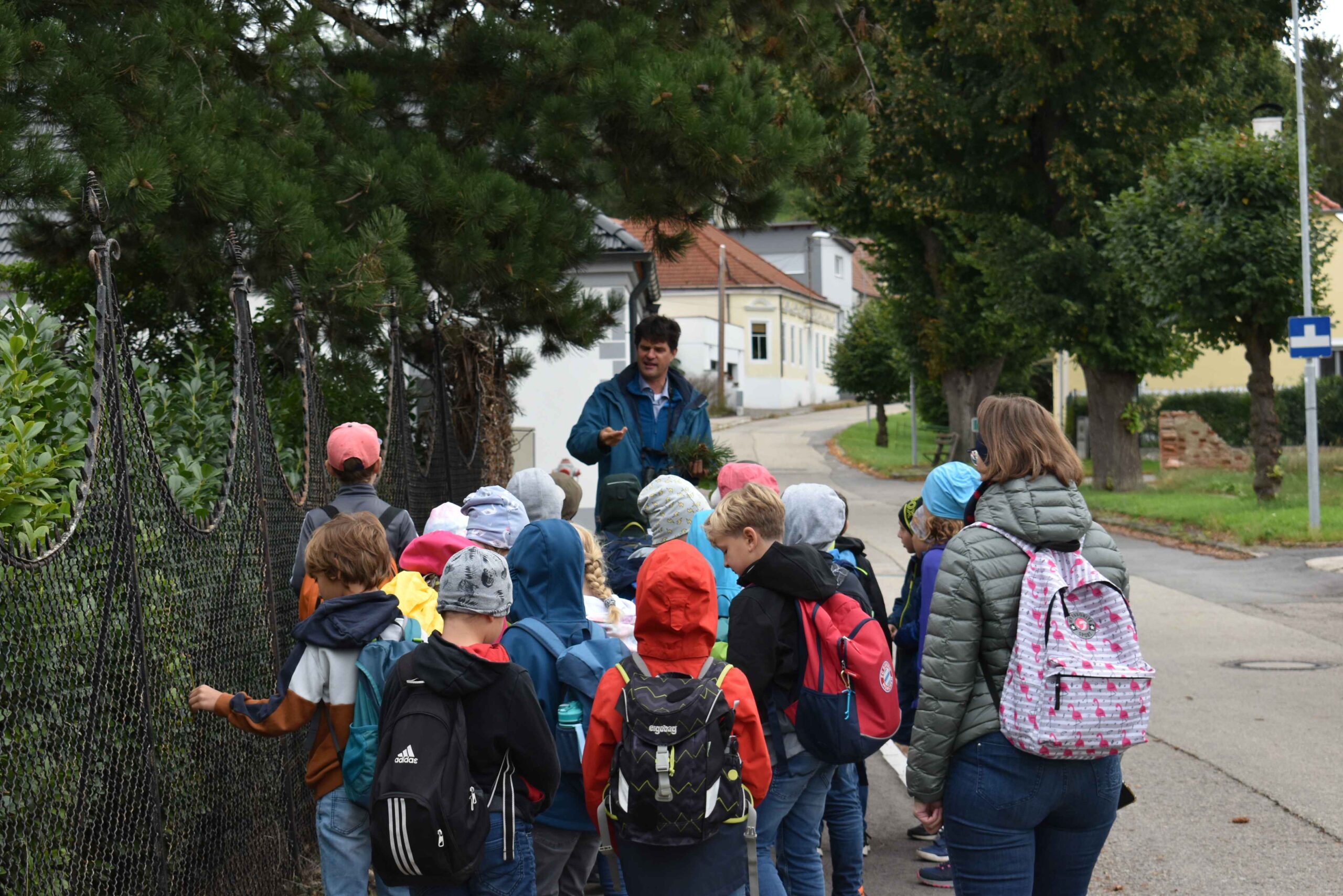
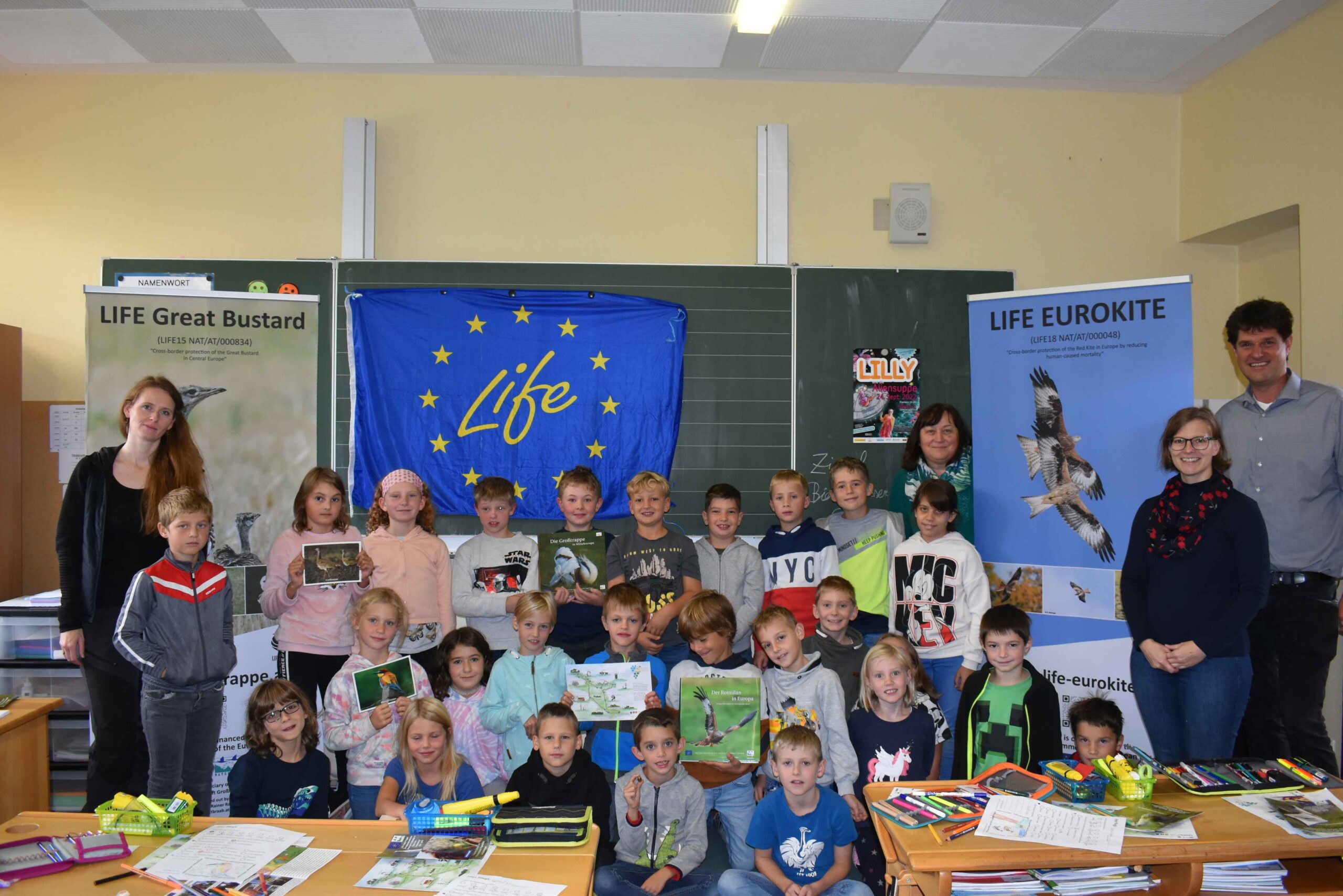
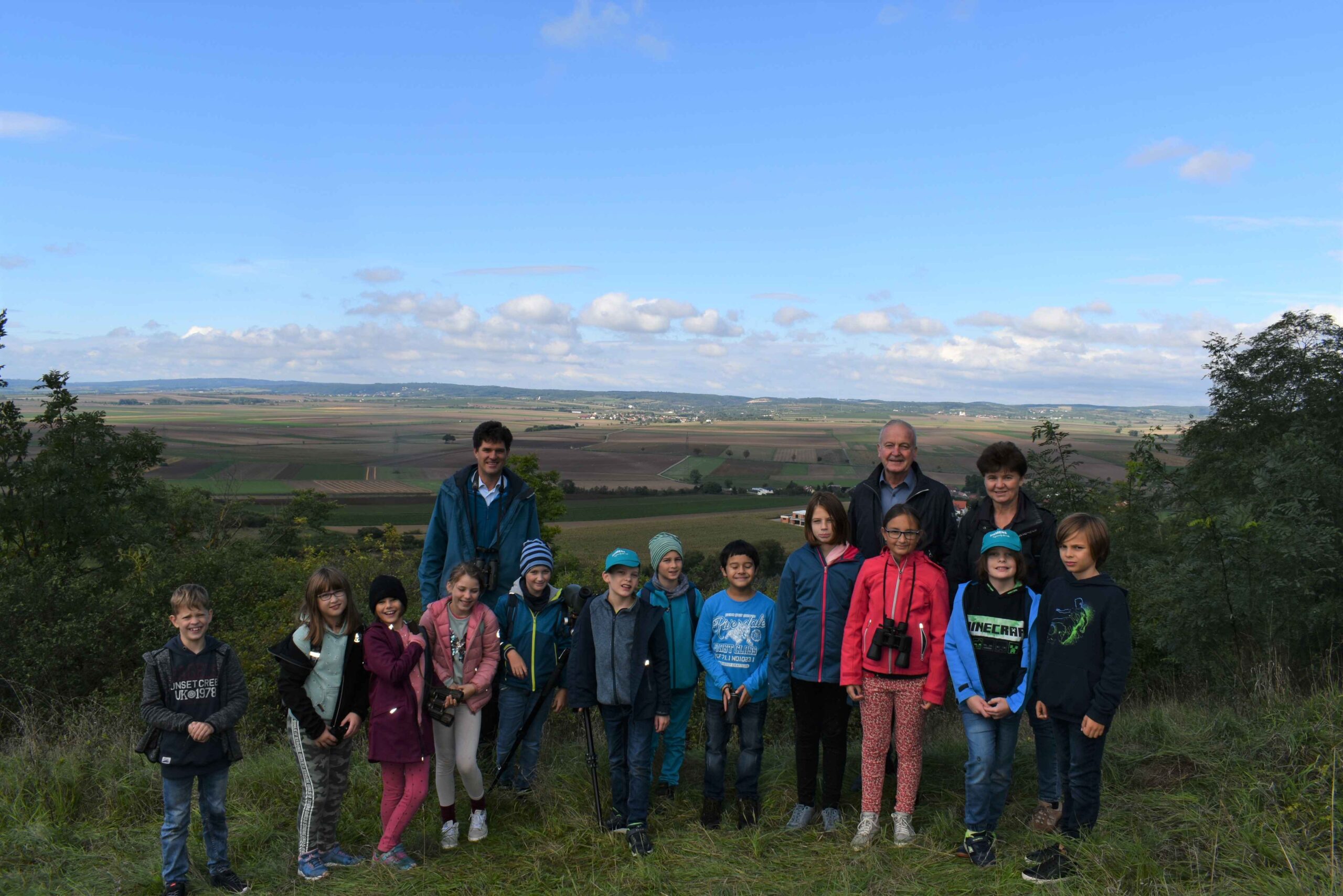
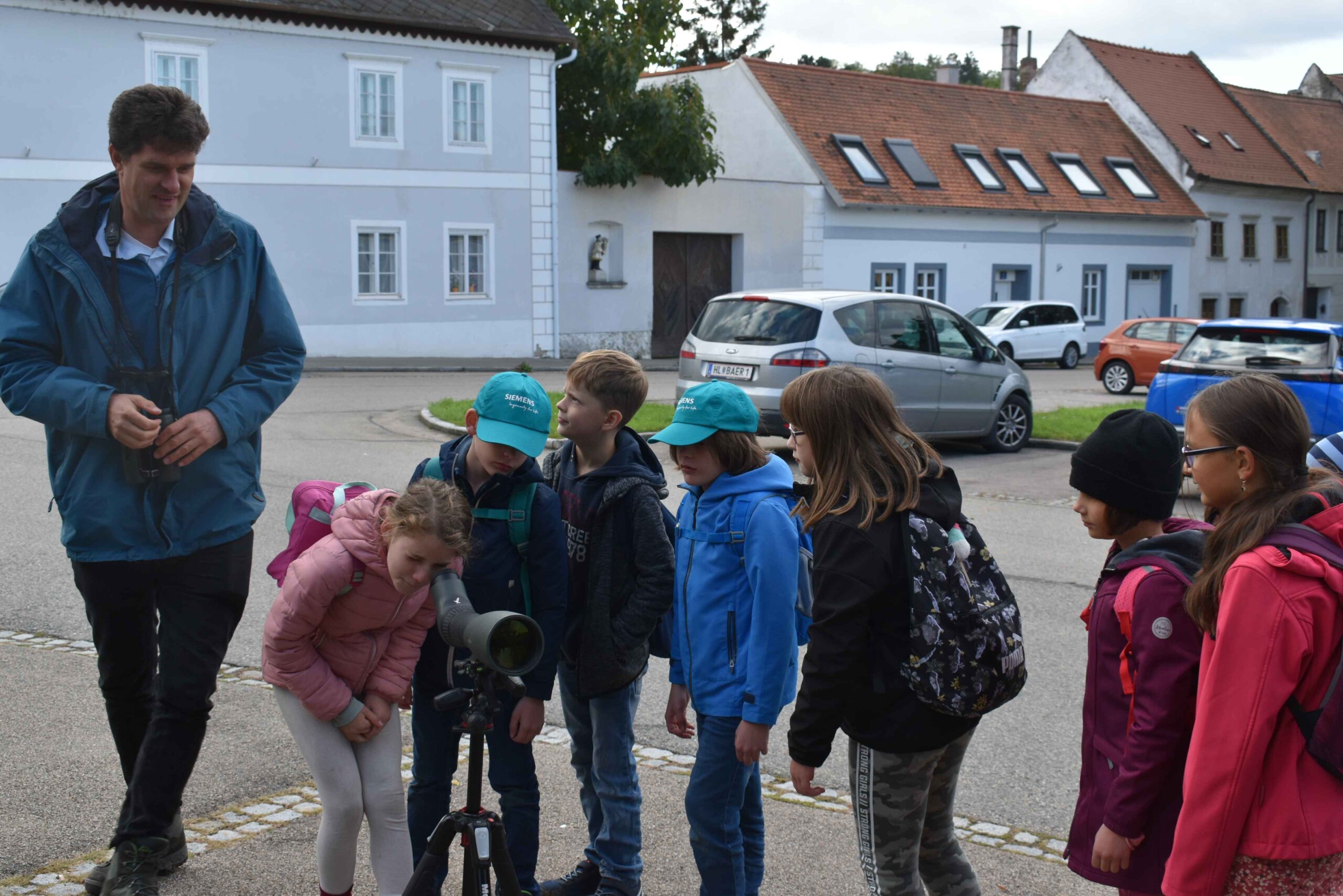
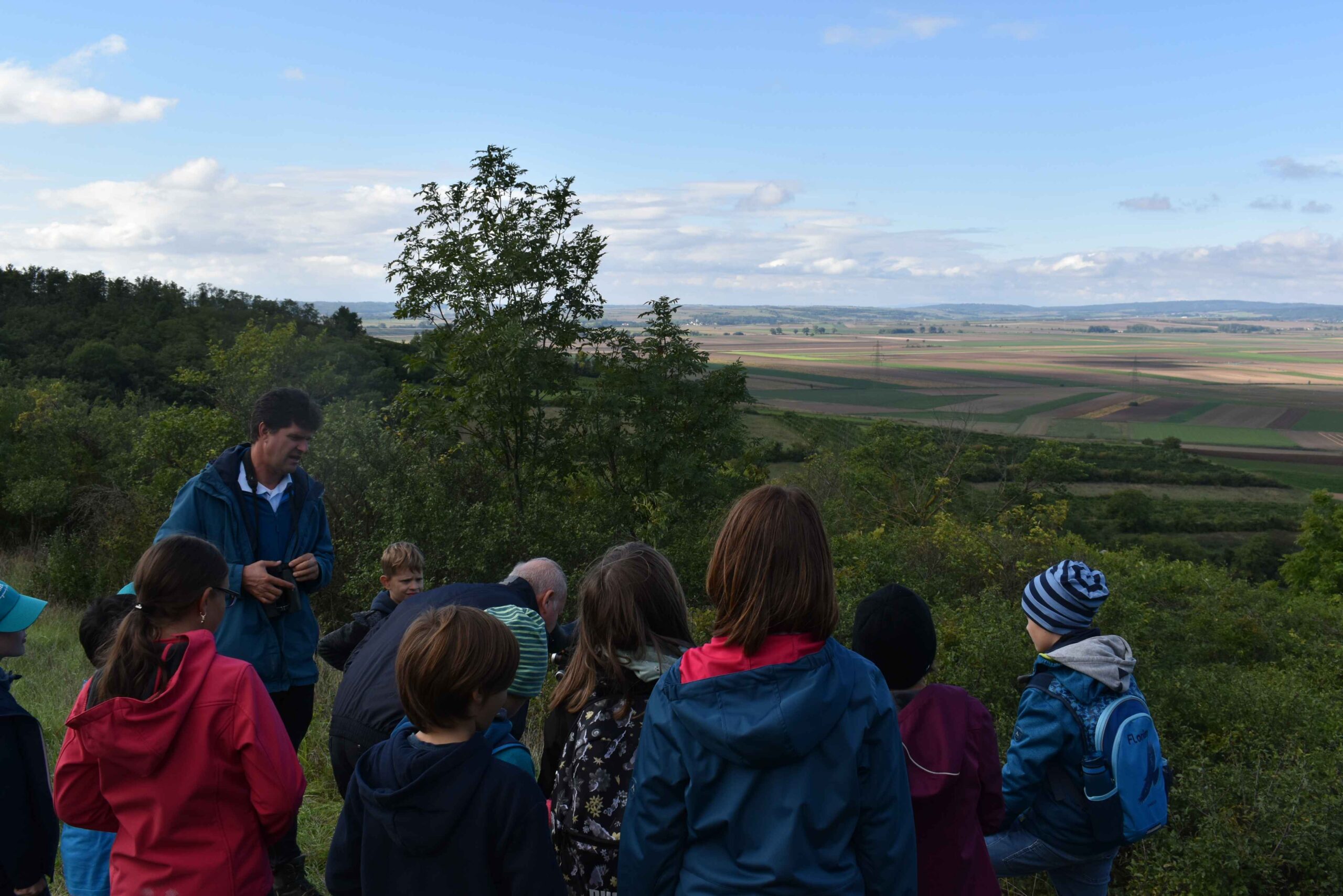
- Accompanying educational and informational activities for all age groups, including workshops, lectures, school presentations, guided excursions, and maintenance work in the field.
- “Learning kit” as a collection of teaching and demonstration materials, primarily designed for kindergarten, primary, and lower secondary school children.
Special features/innovative approaches/content:
To develop experiential educational content and appropriate teaching materials, as well as to ensure engaging graphic and textual design, a specialized agency for experiential project development was commissioned. Together with the project consortium, the agency designed both the educational materials and the interactive infrastructure.
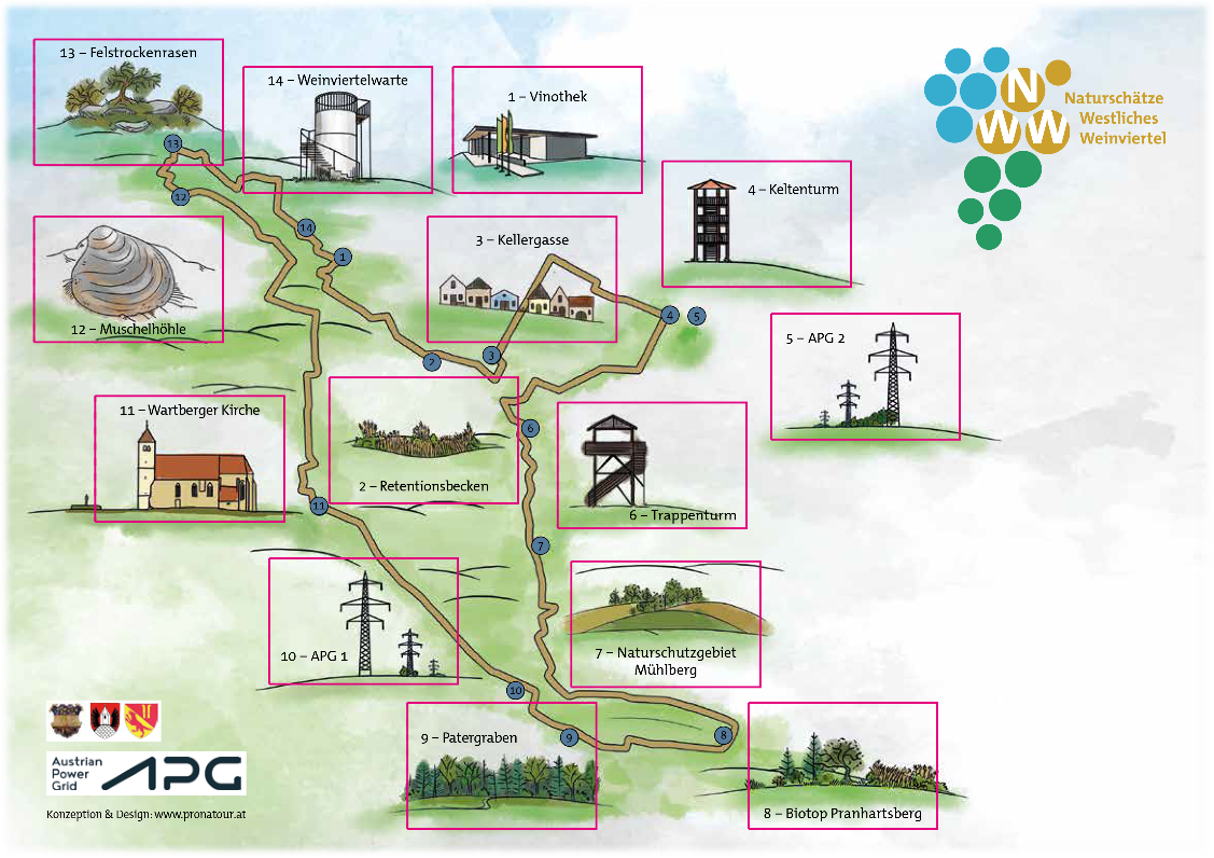
A total of 14 stations were integrated into the newly conceived circular trail—some by incorporating existing installations, others through the creation of new interactive information points at suitable locations.
More detailed information
LEADER Project “Natural Treasures of the Western Weinviertel”
Nature conservation can only succeed if it is broadly understood and supported by society. Awareness-raising, nature education, and public outreach are therefore just as essential to modern conservation as the protection, management, and restoration of natural habitats and landscapes. Public institutions, above all local authorities as administrative units that are particularly close to the citizens, have a role model function in this context, as they can implement nature conservation ideas in an exemplary manner and at the same time create new impulses.
Modern environmental education emphasizes active learning experiences through excursions, direct engagement with nature, and playful communication—particularly to inspire children and young people. Knowledge of local biodiversity and habitats is not only an intergenerational concern but also involves various user groups, residents, and visitors alike. Informing stakeholders and raising local awareness are crucial to the long-term preservation of structurally diverse and species-rich cultural landscapes.
Such a small-scale, species-rich cultural landscape exists along the Manhartsberg in the Western Weinviertel, providing habitat for numerous endangered species. The three market towns of Sitzendorf an der Schmida, Röschitz, and Zellerndorf, in cooperation with APG – Austrian Power Grid AG, have committed themselves to protecting these natural treasures through the implementation of this multifaceted LEADER educational project for biodiversity conservation.
Natural Environment – Western Weinviertel
The richly structured cultural landscape of the Western Weinviertel lies at the interface between two distinct natural regions—the Lower Austrian Weinviertel and the Waldviertel. The Waldviertel is characterized by gently undulating highlands of gneiss formations shaped by the Thaya River, while the Western Weinviertel features wide, shallow valleys within softly rolling hills. The transition from silicate-rich rocks of the Bohemian Massif in the west to the calcareous loess soils in the east defines both the natural and cultural landscape characteristics of the region. Climatically, the area represents a gradient from the Atlantic-influenced high plateau climate of the Waldviertel to the Pannonian climate of the Weinviertel. This complex ecological transition zone accounts for the region’s high conservation value and biodiversity, reflected in the mosaic of semi-natural habitat remnants. These include species-rich wet meadows and riparian woodlands along former floodplains, as well as traditional orchards, dry grasslands, and heathlands on sunny slopes interspersed with vineyards and thermophilic forests. Large parts of the region are designated as Natura 2000 or European protected areas under the Birds and Habitats Directives. To the north, the Western Weinviertel connects to the cross-border Thayatal National Park, which, together with the Czech Národní park Podyjí, forms a transnational conservation corridor to southern Moravia. The wider region also contains landscape protection areas, small nature reserves, and numerous natural monuments.
LEADER Educational Project as a Contribution to Regional Development
The diversity of species, habitats, and landscapes also represents a key resource for sustainable regional development and tourism. Conversely, tourism revenues increase local support for conservation efforts, while the marketing of regional products contributes to the maintenance of semi-natural cultural landscapes. Biodiversity and landscape diversity thus play an important role in rural development. The LEADER programme—an EU initiative under Regulation (EU) No. 1303/2013—supports the development of rural economies by empowering local communities to shape their own regions. In Austria, LEADER is implemented within the framework of the Rural Development Programme 2014–2020. Its central goal is to enable local actors to develop and implement regional strategies collaboratively. Biodiversity-related and conservation-focused initiatives, as well as stronger cooperation between key stakeholders, are among the thematic priorities of LEADER. The programme not only fosters awareness of biodiversity but also actively contributes to the preservation and enhancement of habitats and species richness across rural regions.
From Concept to Implementation
Under the leadership of Naturforum Westliches Weinviertel, preparatory activities between October 2016 and April 2017 laid the groundwork for the main project. Through collaboration among municipal representatives, APG, and the expert project team, an educational and implementation concept was developed and relevant partners engaged. Following years of discussion and coordination, the main project “Natural Treasures of the Western Weinviertel” was approved by the LEADER Region Weinviertel-Manhartsberg in May 2018 and subsequently implemented through the following main components:
- Development of an interactive circular trail across the partner municipalities Röschitz, Sitzendorf, Zellerndorf, and Straning-Grafenberg.
- Educational and outreach activities including workshops, school lectures, guided field excursions, and volunteer maintenance days.
- Creation of a “learning kit” with teaching and illustrative materials for early childhood and school education.
To ensure professional quality, a specialized agency for experiential education was engaged to design the interpretive content, visuals, and educational materials in collaboration with the project consortium. In total, 14 stations were incorporated into the new circular route, combining existing installations with newly developed interactive elements at selected sites.
How to Find the Stations?
The coordinates of the individual locations can be found in the table below.
| Station | Coordinates |
|---|---|
| 1. Let’s Play at the W4 | 48.66726667, 15.89370126 |
| 2. Retention Basin Roseldorf | 48.65210332, 15.91406135 |
| 3. Wine Cellar Lane Roseldorf | 48.65192077, 15.92760081 |
| 4. Celtic Tower | 48.65864551, 15.966655 |
| 5. Bird Protection on Power Poles* | 48.65800356, 15.97119108 |
| 6. Great Bustard Observation Tower Roseldorf | 48.64121625, 15.93396126 |
| 7. Mühlberg Nature Reserve | 48.62397396, 15.93632046 |
| 8. Pranhartsberg Biotope | 48.59607754, 15.97939767 |
| 9. Patergraben Sitzendorf | 48.59555982, 15.94591378 |
| 10. Island Hopping with APG | 48.60369493, 15.93348503 |
| 11. Bird Protection at Wartberg Church | 48.63035518, 15.88804358 |
| 12. Shell Cave | 48.67619927, 15.85724997 |
| 13. Rocky Dry Grassland Feldberg | 48.68312101, 15.8563992 |
| 14. Weinviertel Lookout Tower on the Mühlberg | 48.67150233, 15.88498632 |
*Station 5 “Bird Protection on Power Poles” has not yet been constructed. An online map of all stations is available at the following link.
The Learning Kit (Downloadable Materials, only in German language)
Identification Key – Dry Grasslands
“Who Am I?” – Bird Identification
Expert Round for Older Students
Feather Identification – Great Bustard
Press Releases
Press Release on Project Launch: “Sitzendorf, Röschitz, Zellerndorf: Local Natural Treasures” – NÖN
Press Release on Project Opening “Natural Treasures of the Western Weinviertel” (02 June 2022) – NÖN
Press Release on Excursion “In the Footsteps of the Great Bustard” – NÖN
Final Report
Final Report – LEADER Project “Natural Treasures of the Western Weinviertel”
Photo gallery Stations
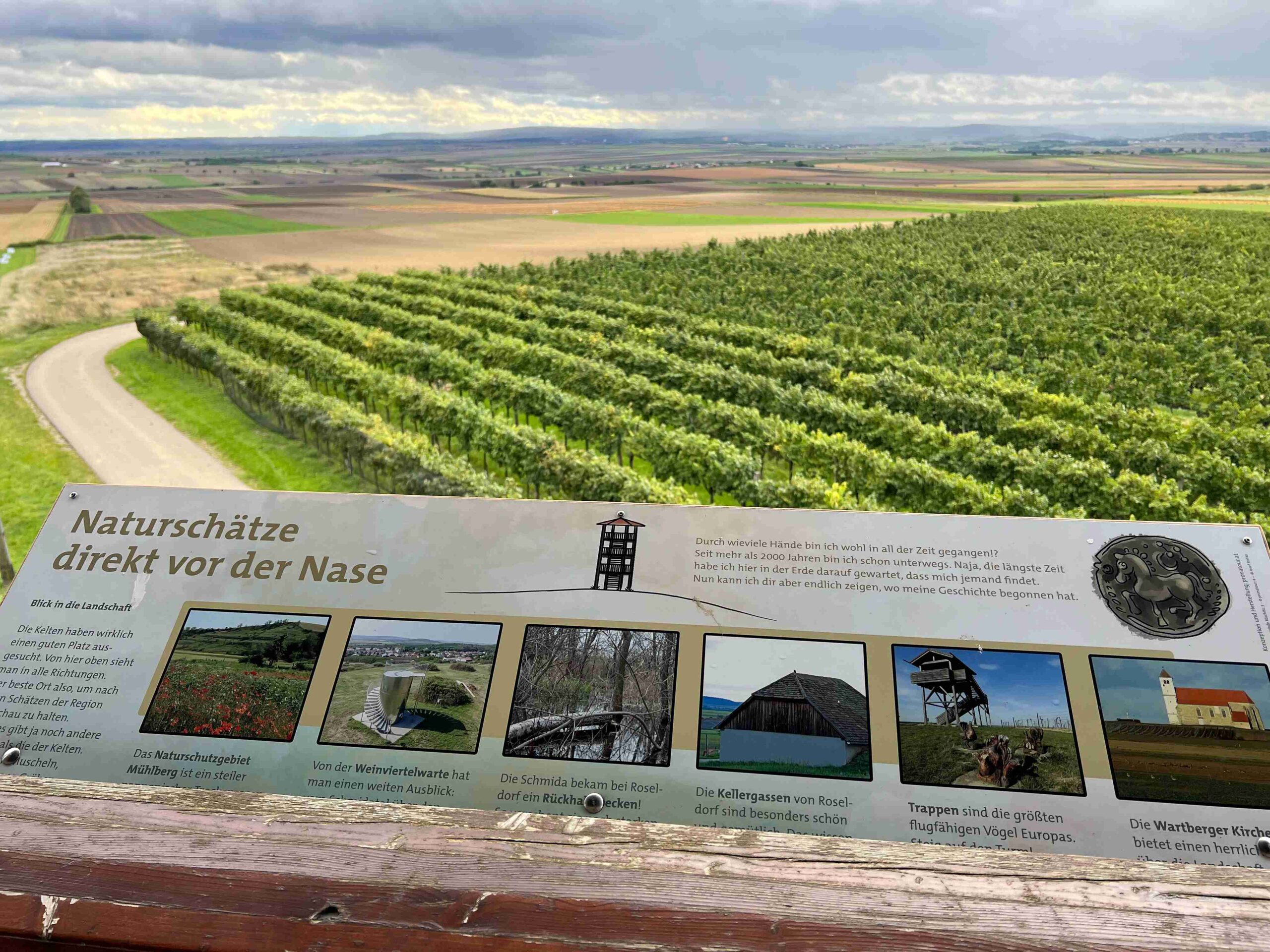
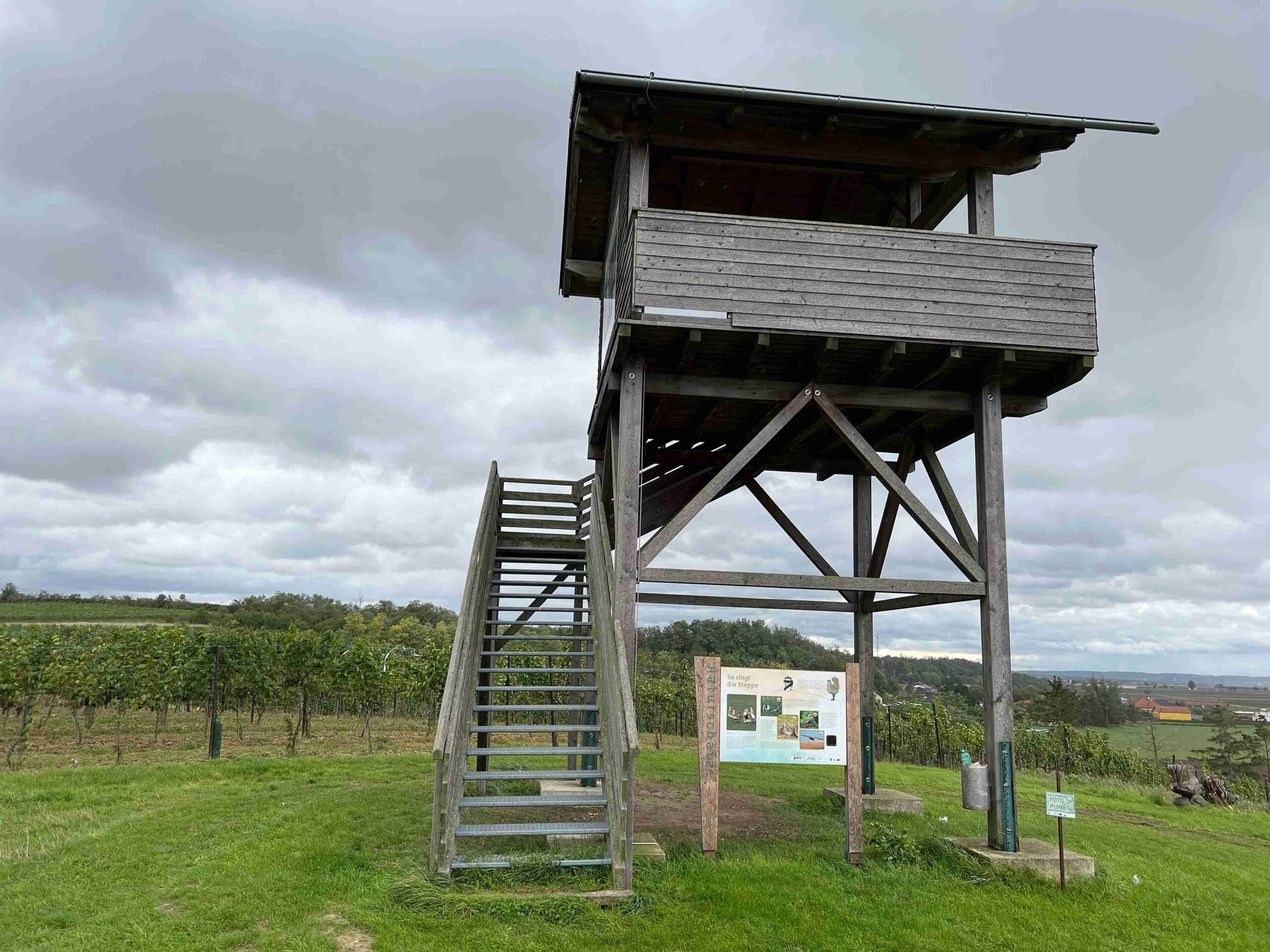
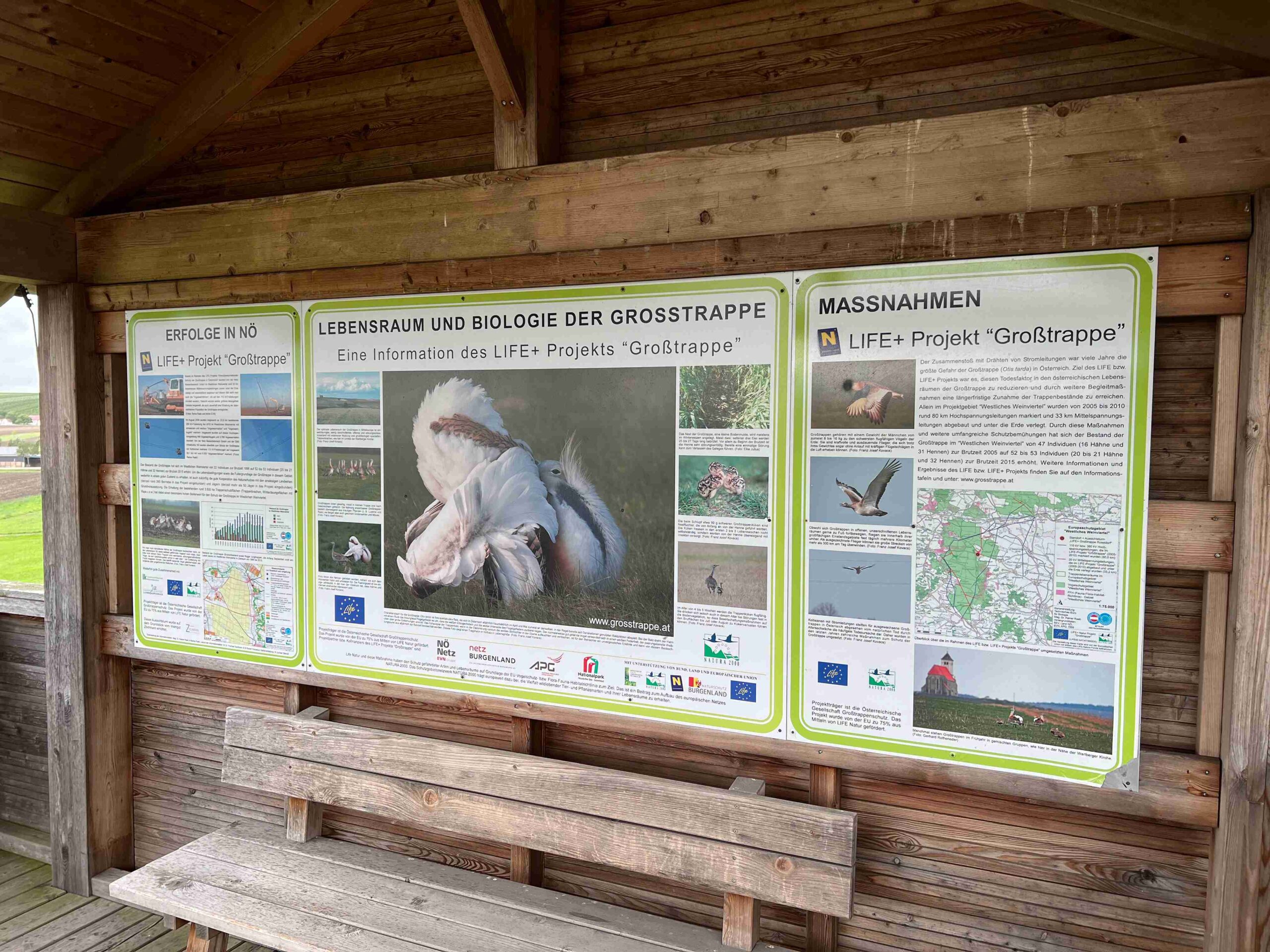
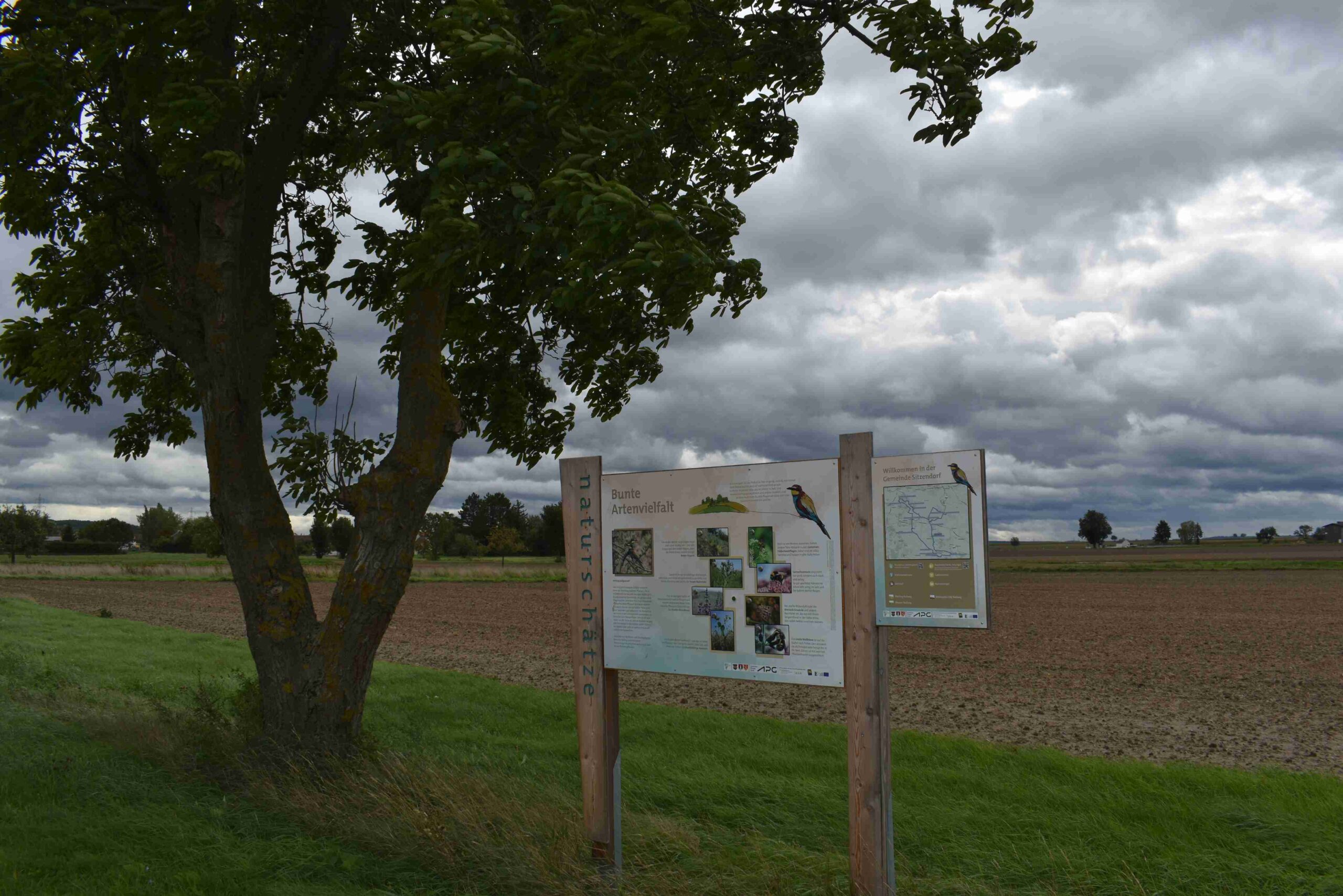
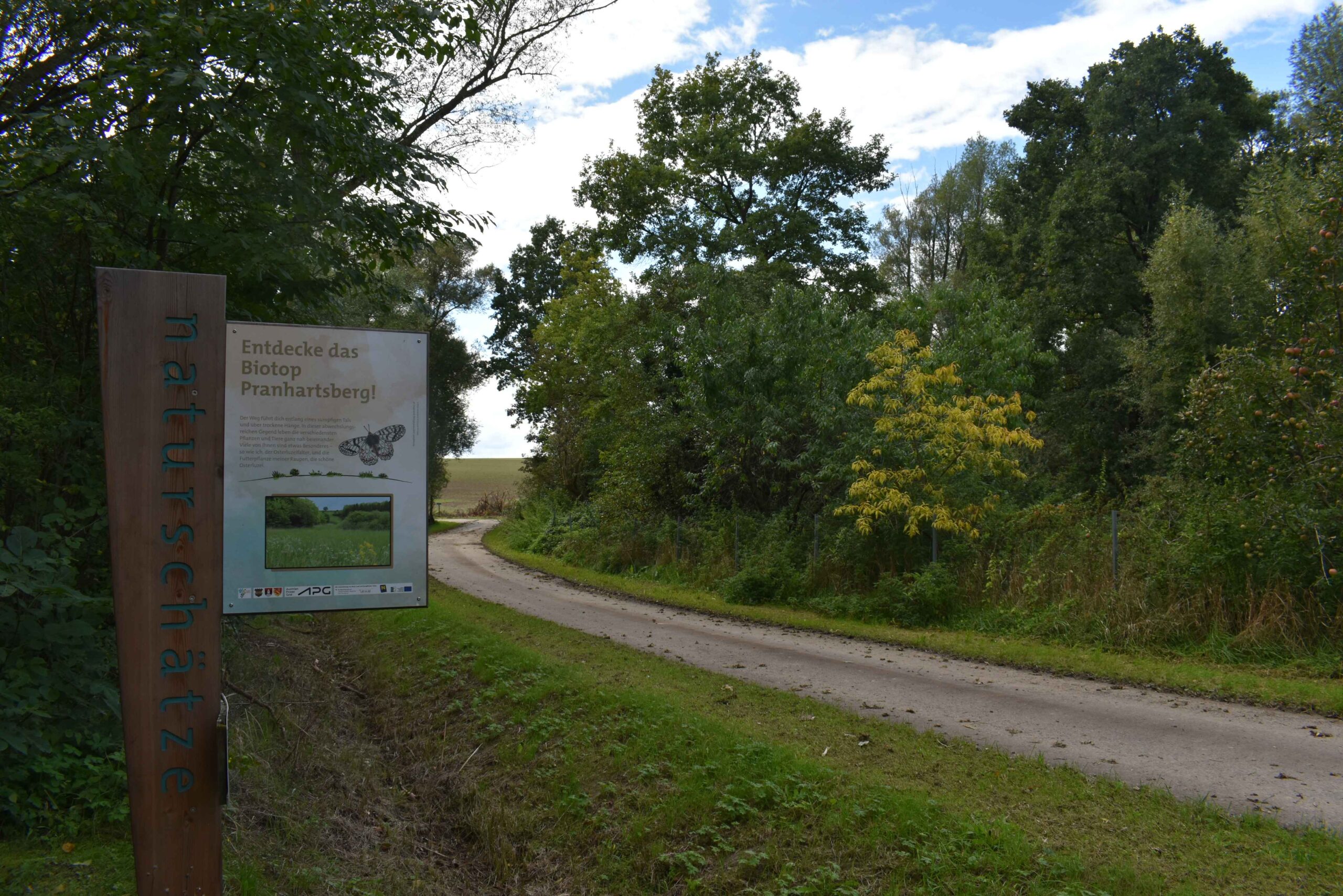
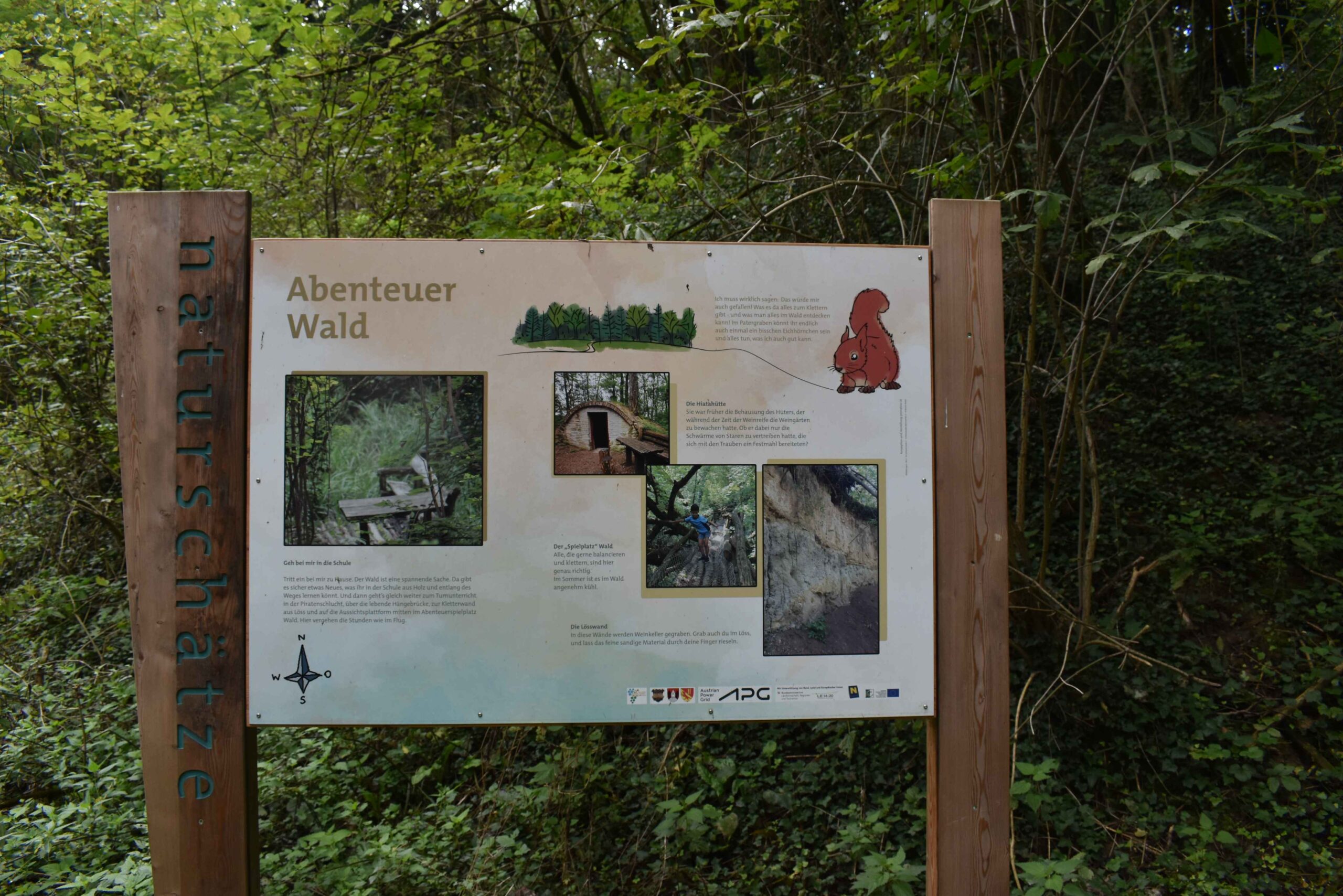
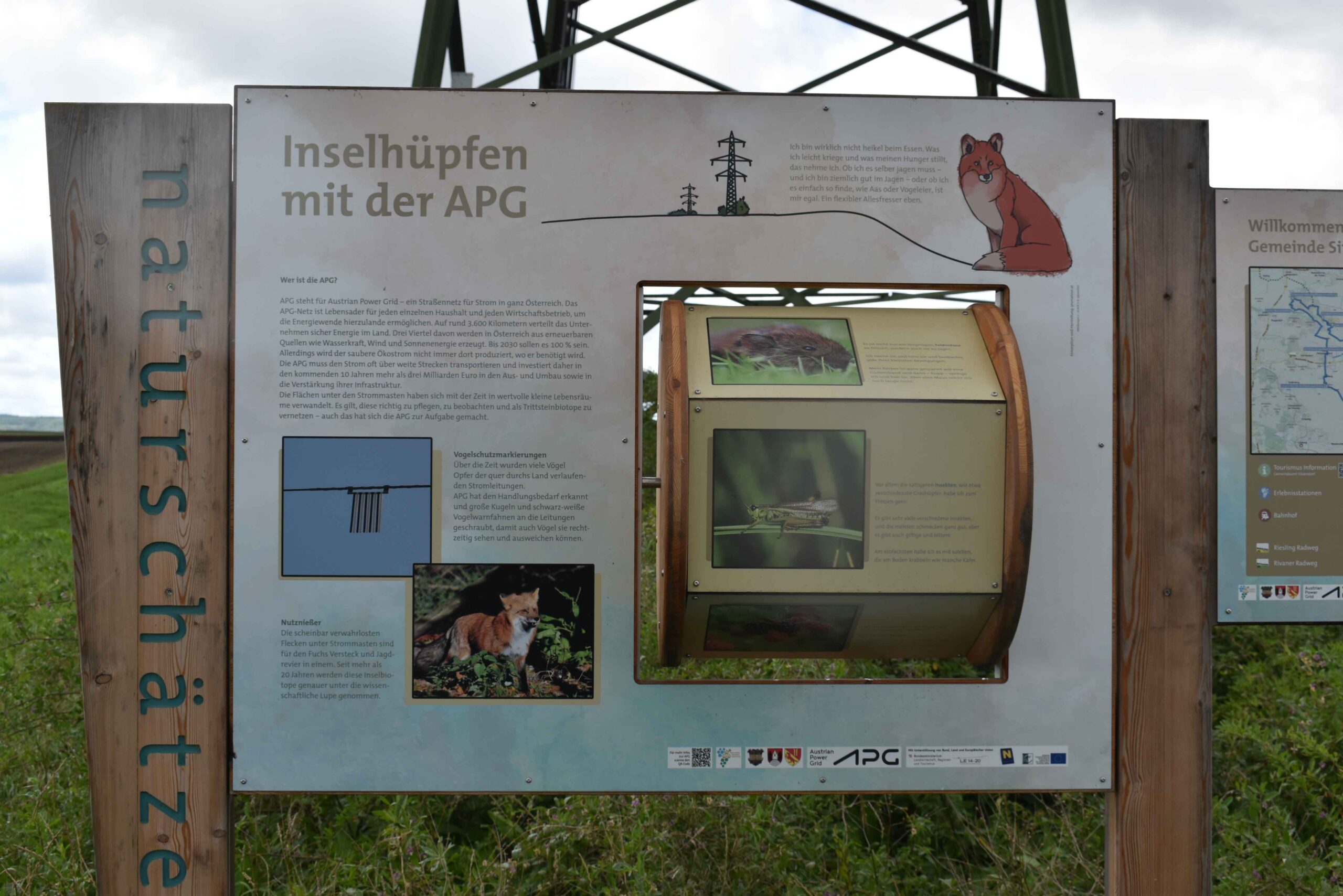
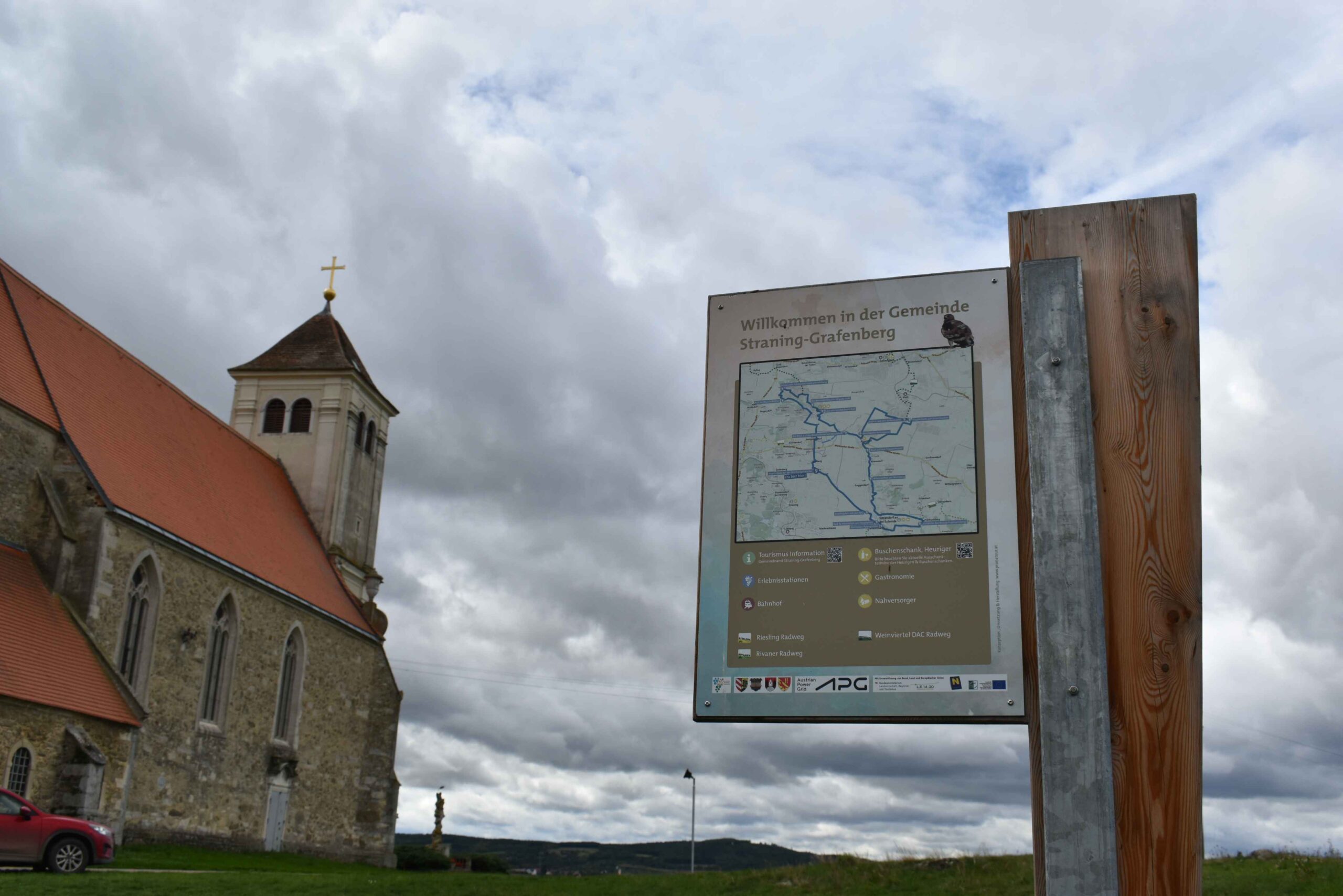
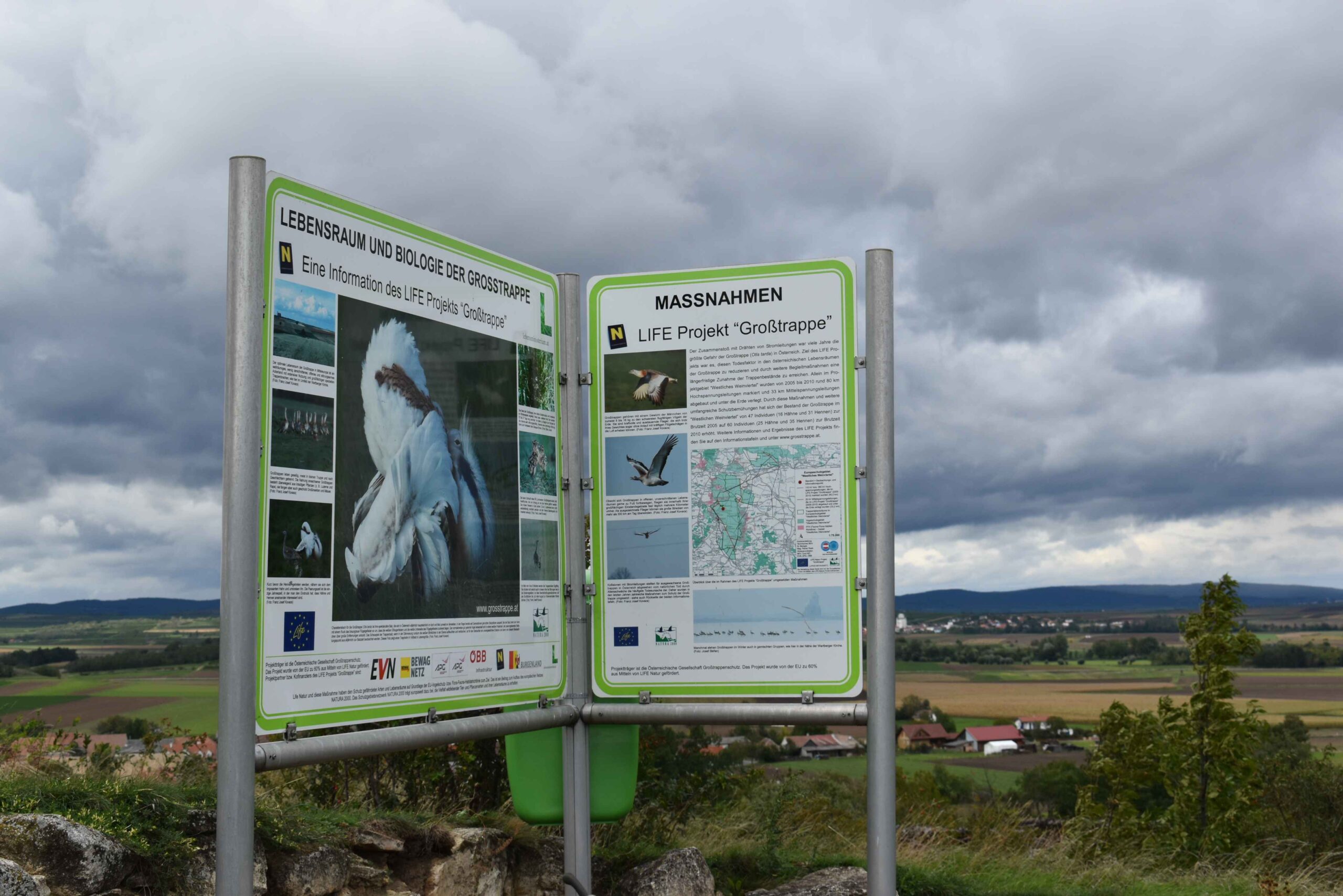
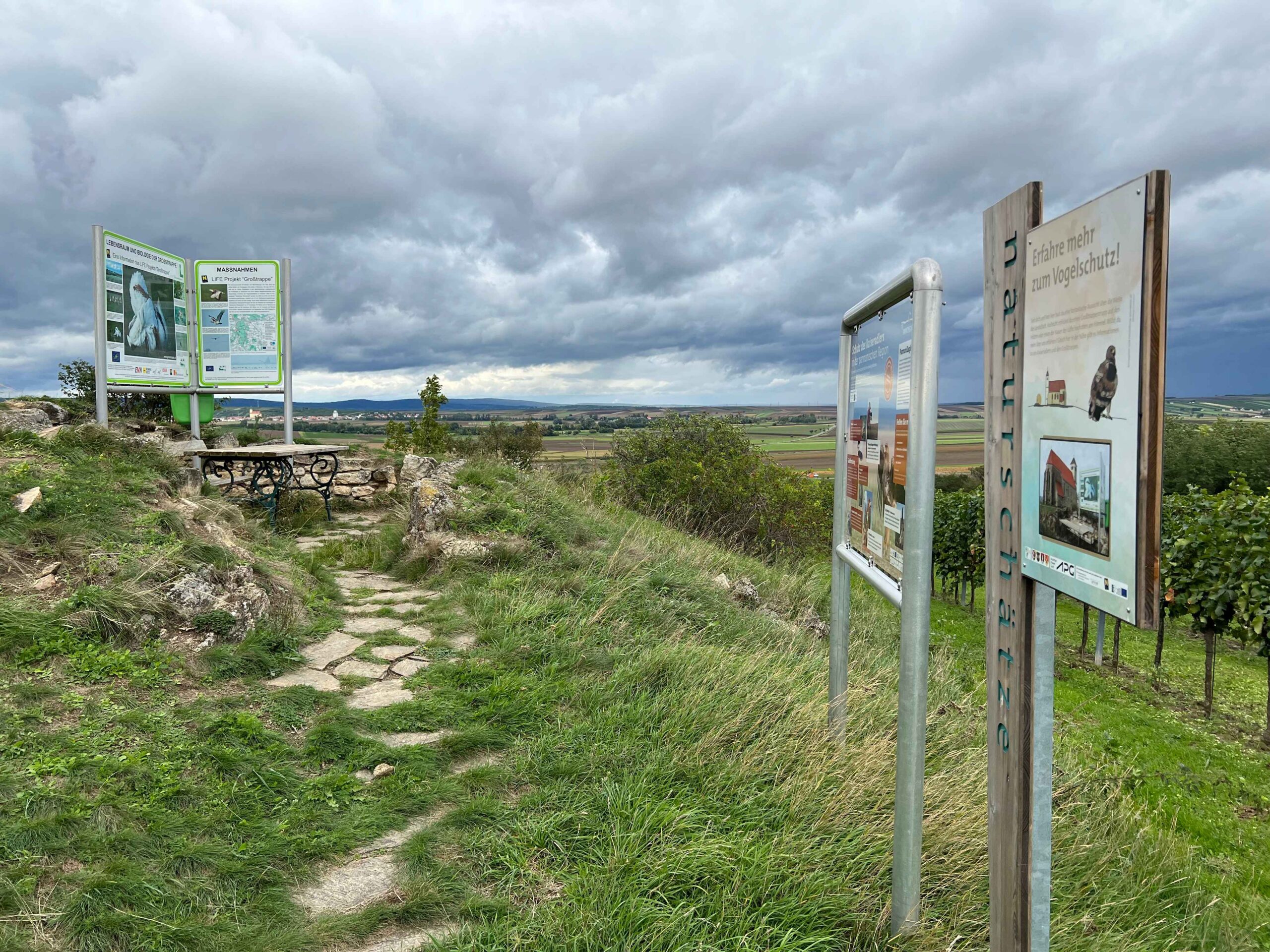
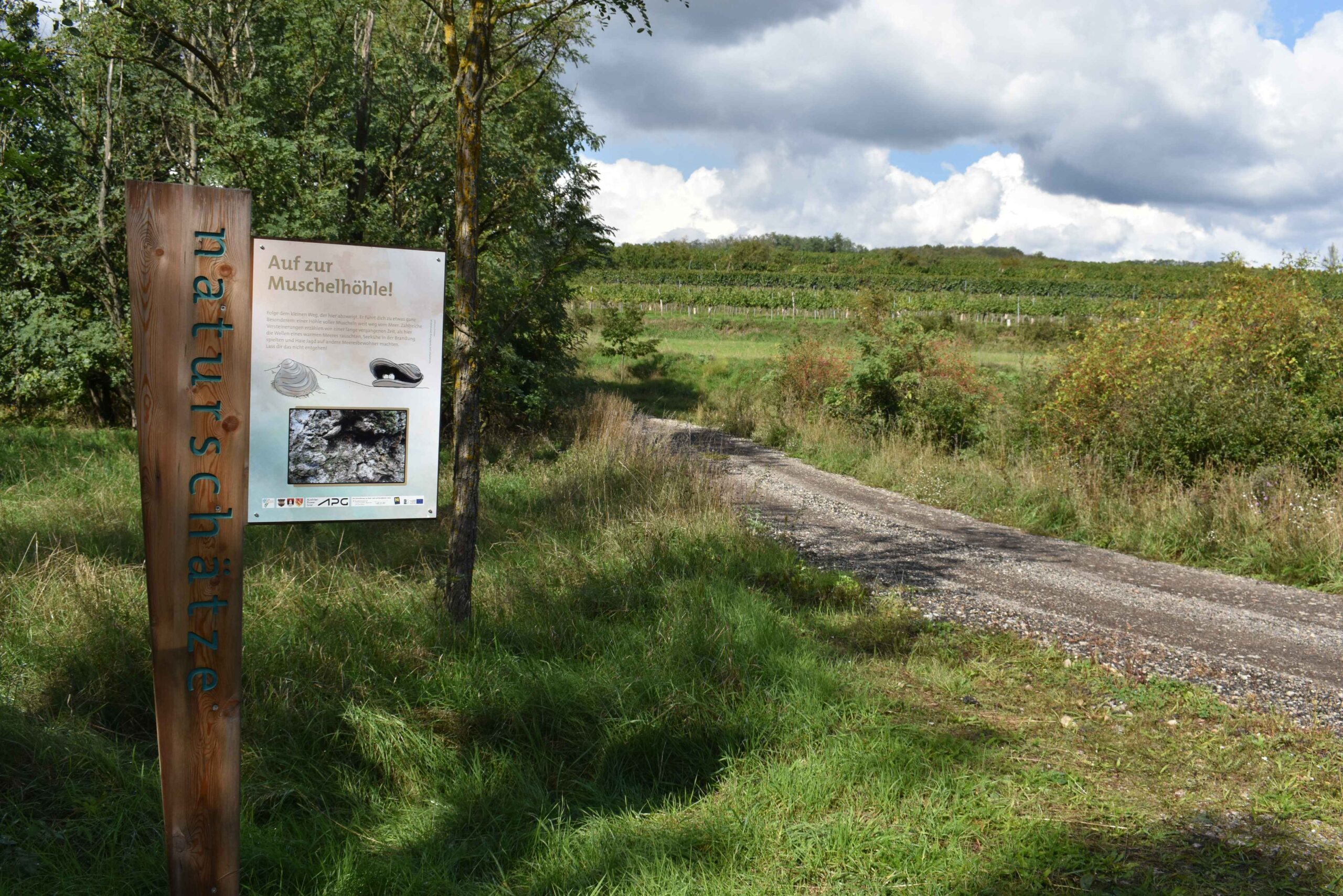
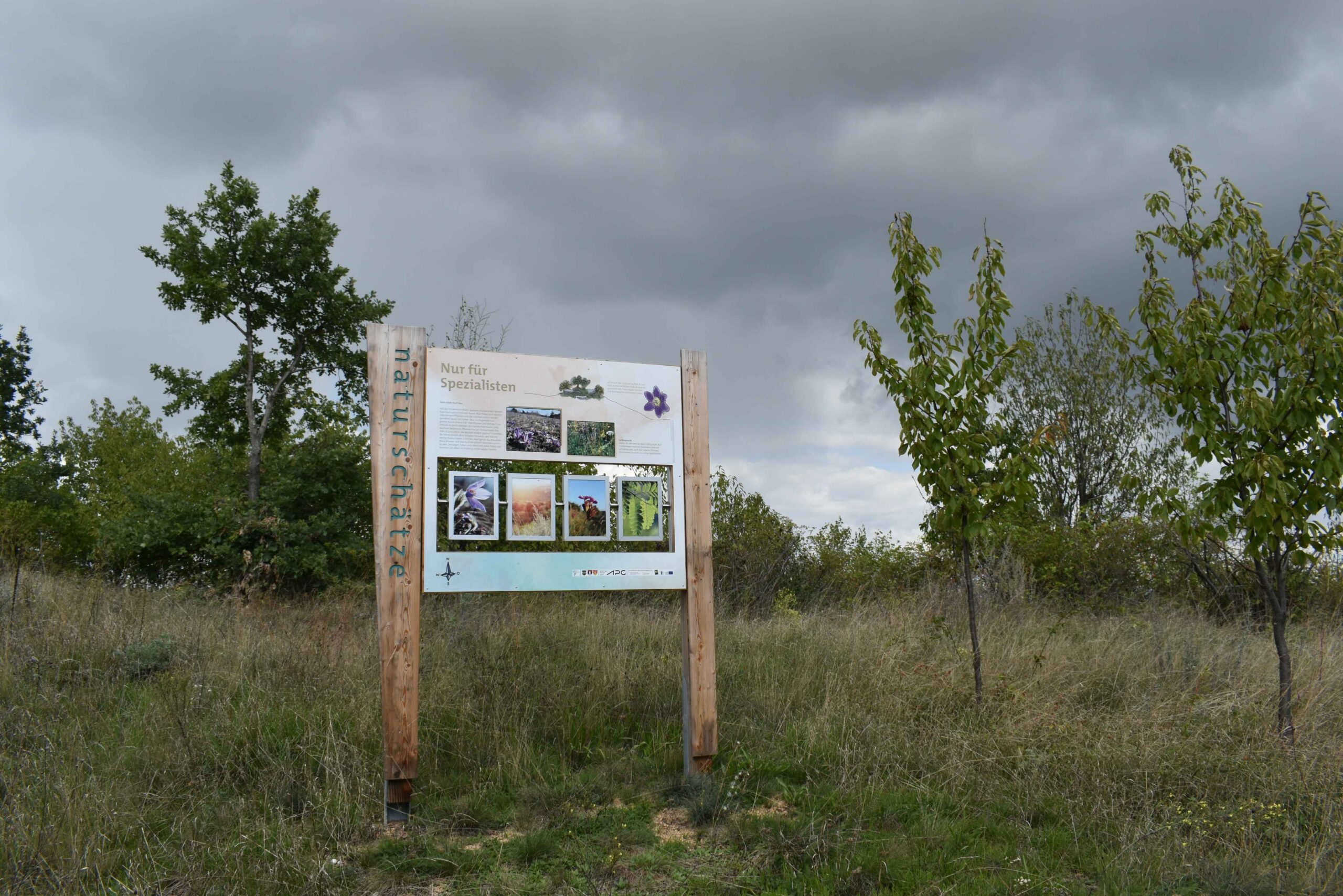
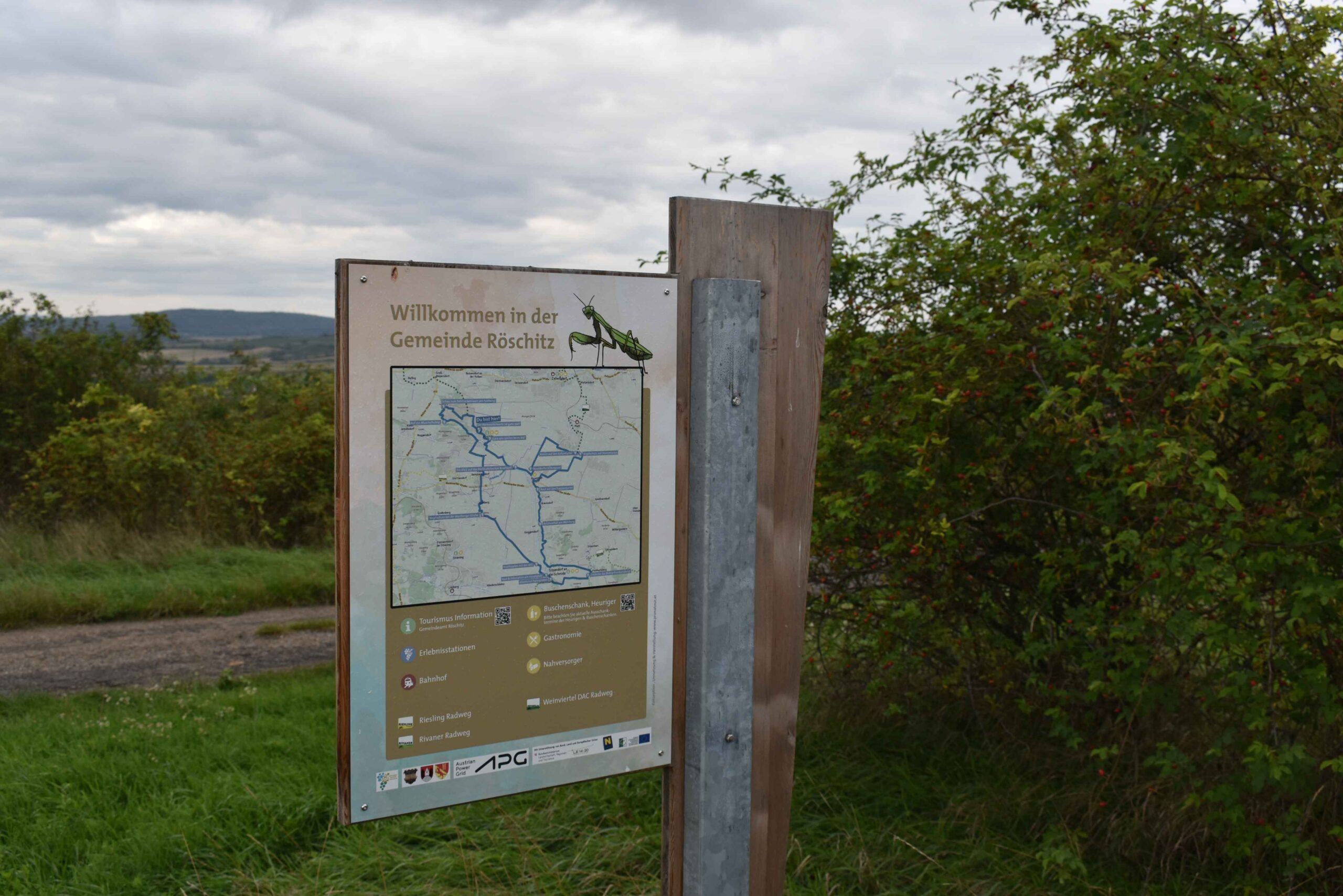
Photo gallery Excursions
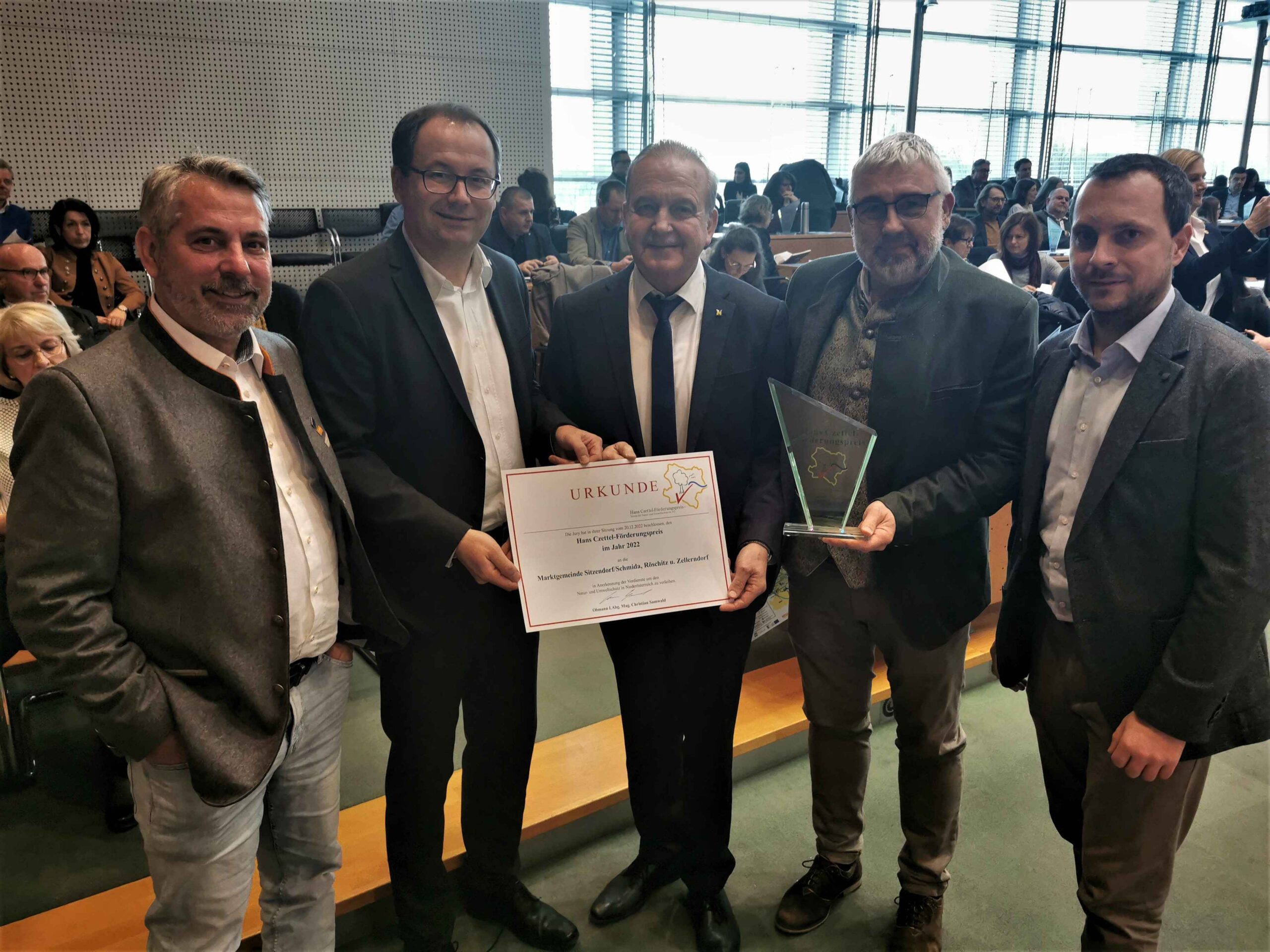
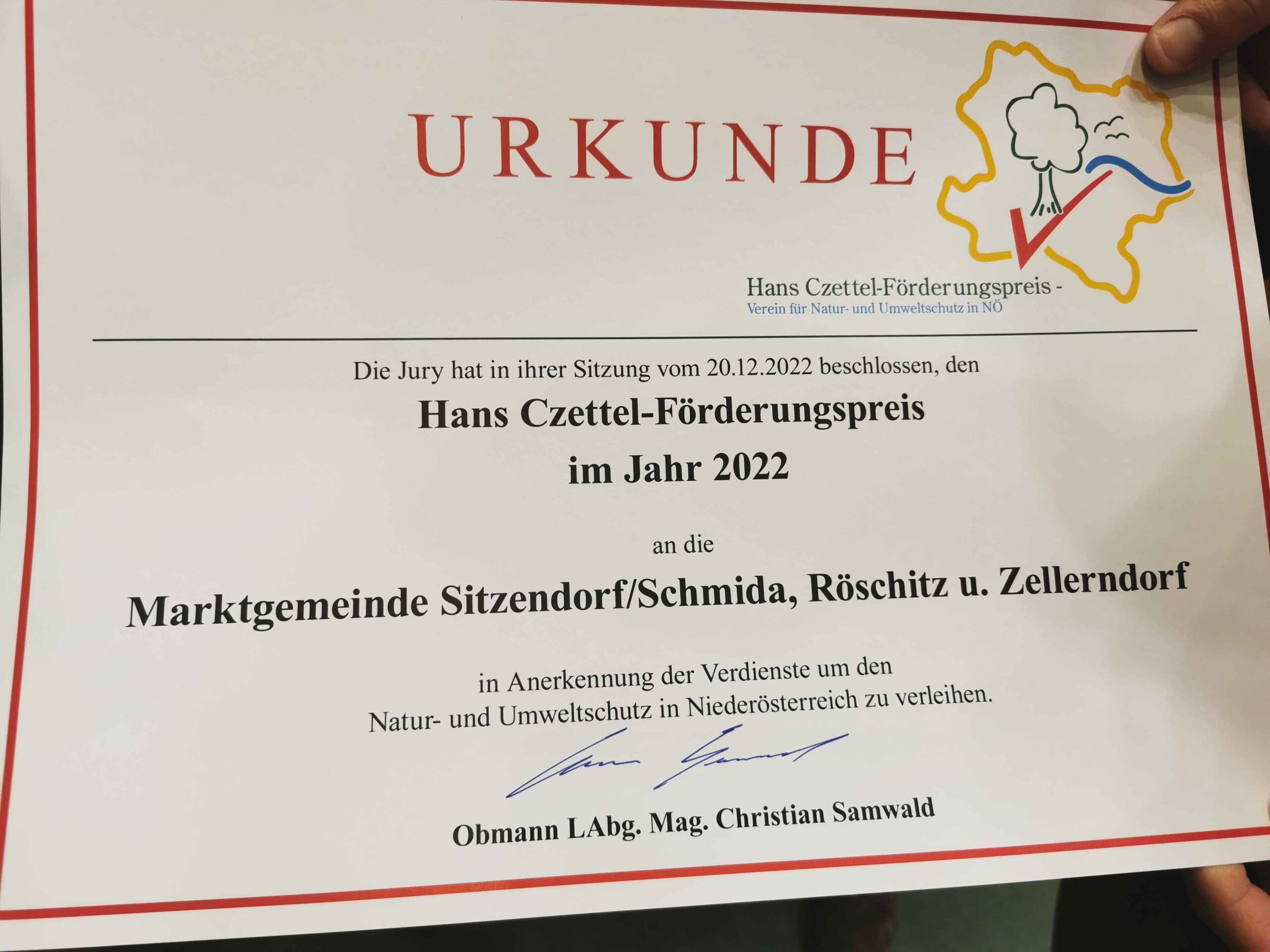
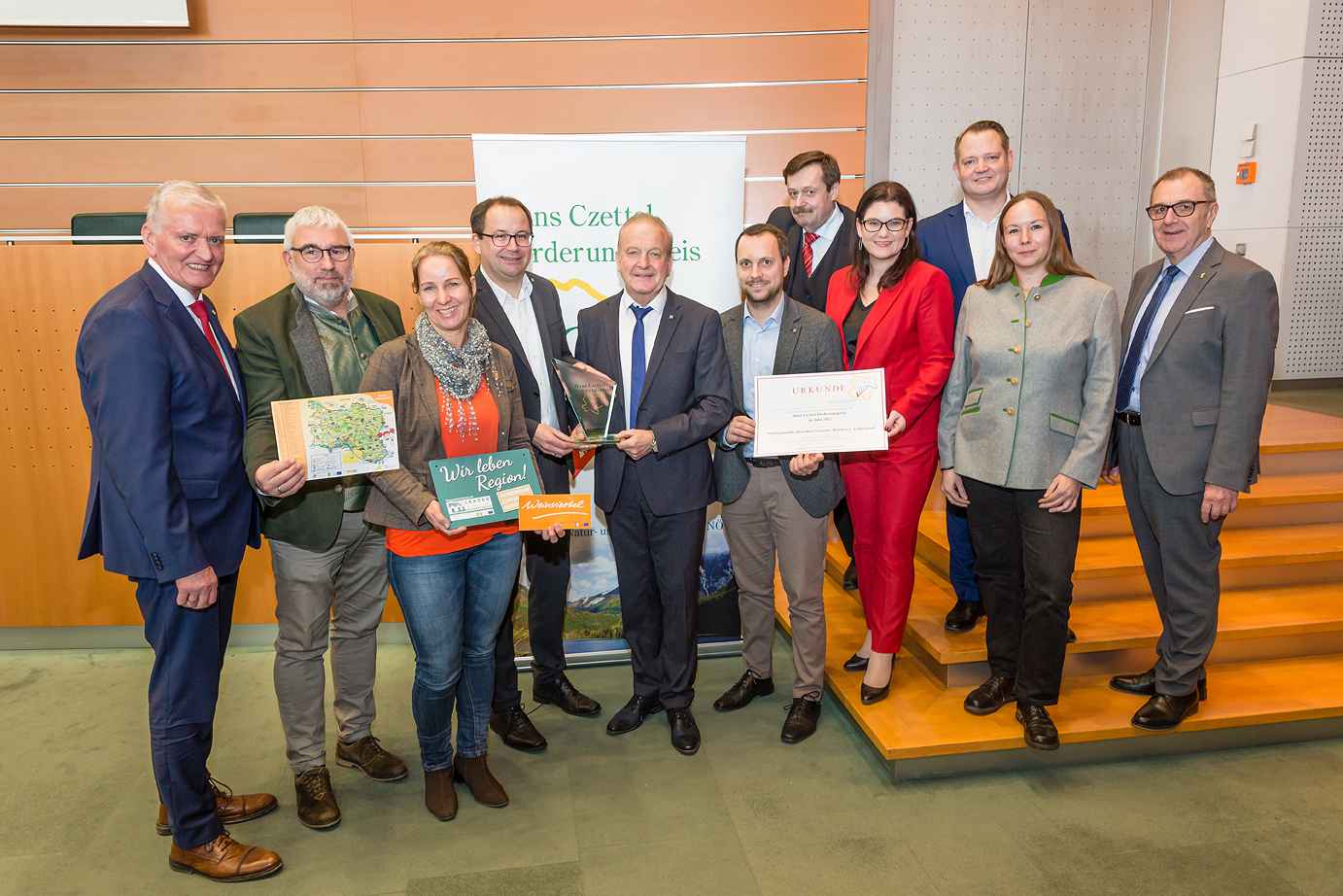
Honour Hans Czettel Advancement Award
Opening of ‘Natural Treasures in the Western Weinviertel’
In cooperation with


Whether you’re interested in collaboration, project details, or expert consultation, we’re here to help.