
Sabine Felkel, PhD
Team leader
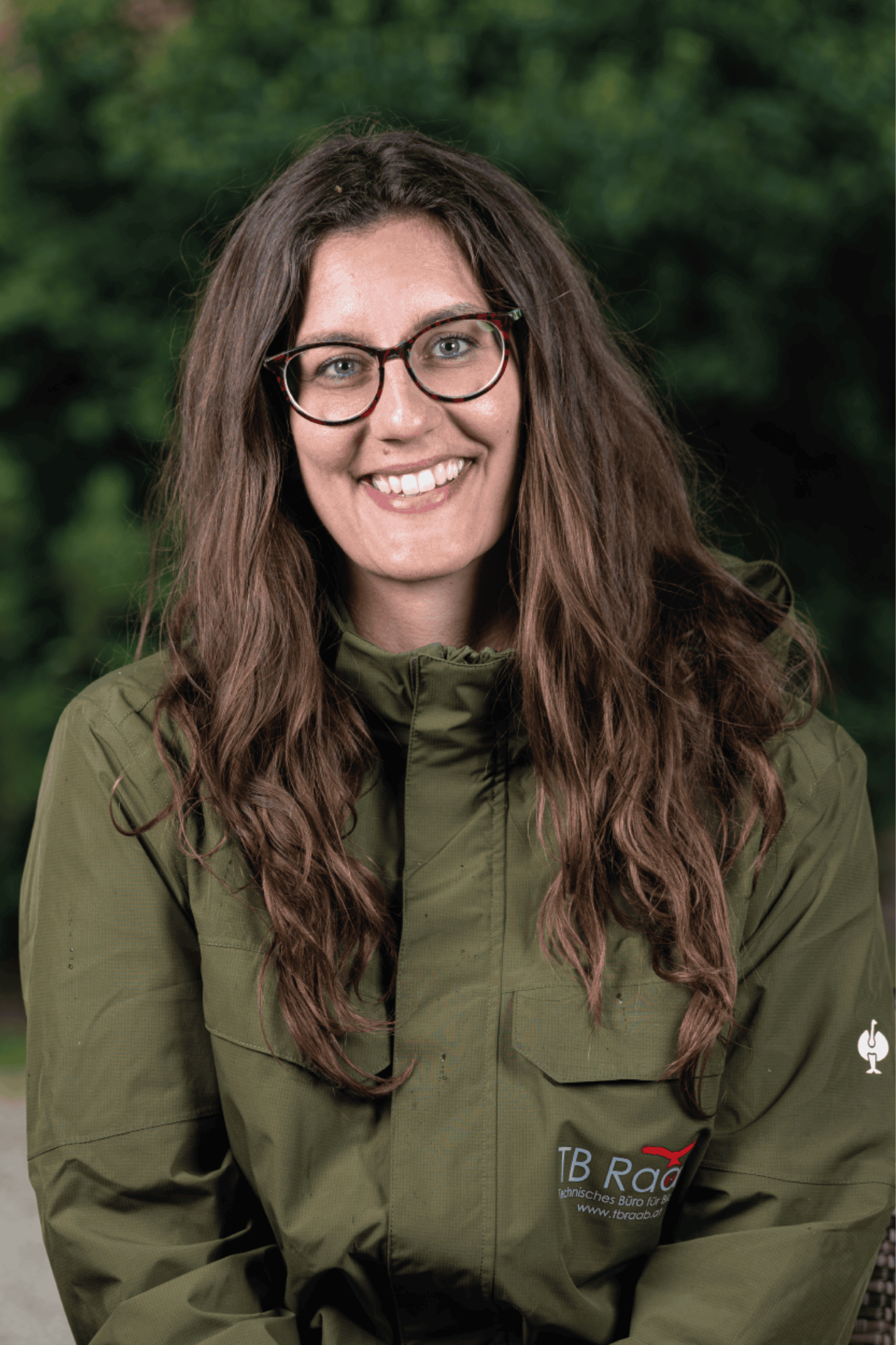
About
Sabine leads efforts to protect the Eurasian stone-curlew (Burhinus oedicnemus) and its habitat, aiming to balance conservation with economic activities like gravel pits and landfills. Her focus is on preserving ecosystems that support B. oedicnemus along with a diverse array of other plants and animals, ensuring long-term health and resilience of these habitats.
With expertise in bioinformatics, genetics, and environmental research, Sabine brings a scientific, interdisciplinary approach to conservation. She has conducted research at renowned institutions such as the University of Veterinary Medicine in Vienna, the Sanger Institute in Cambridge, the University of Natural Resources and Life Sciences in Vienna, and Uppsala University. Her work spans studies on population genetics and evolution of wild and domestic species, and the impact of climate change on alpine plants.
Sabine is dedicated to creating a work environment built on respect, transparency, open communication, and reliability. She values a culture that supports personal and professional growth, where team members feel valued and empowered. Outside of work, Sabine is a passionate cyclist and outdoor enthusiast who embraces an active lifestyle. Her love for nature and photography reflects her appreciation for balance, creativity, and the importance of nurturing both personal and professional well-being.
Education
PhD, Population Genetics, University of Veterinary Medicine, Vienna, Austria
MSc, Microbial Ecology, University of Vienna, Austria
Work focus
- Team leader
- Project management
- Nature assessment reports
References
Sabine Felkel, PhD
Team leader
About
Sabine combines hands-on fieldwork in nature conservation with modern data analysis and interdisciplinary research, leading a team that delivers monitoring, mapping, ecological supervision, and high-quality environmental impact assessments. She primarily oversees the strategic management of projects and the team, while also actively participating in fieldwork to personally guide data collection, surveys, and observations. Her focus is on documenting, evaluating, and monitoring plant and animal species and their habitats over the long term, particularly in areas where economic activities—such as raw material extraction, waste management, or infrastructure and renewable energy development—must be balanced with conservation priorities. This includes the preparation of environmental reports (ranging from smaller assessments to NVE, SUP, and UVE procedures), high-quality GIS-based mapping, drone and photographic documentation, as well as ecological supervision during sensitive project phases.
With her scientific expertise in bioinformatics, genetics, and environmental research—gained at institutions such as the University of Veterinary Medicine Vienna, the Sanger Institute in Cambridge, Uppsala University, and the University of Natural Resources and Life Sciences Vienna—Sabine brings a solid, data-driven, and innovative approach to the team. Her work encompasses population genetics, evolutionary questions, climate change impacts, and applied ecology, including the protection of the Eurasian Stone-curlew and other endangered species in open-land and extraction habitats, where economic use and habitat conservation are carefully integrated. Ecological modeling, monitoring, and applied planning are systematically linked in her approach.
With the team’s recent expansion into wind energy projects, the integration of biodiversity conservation with the energy transition has become an even stronger focus. This includes species protection assessments, wind-energy monitoring programs, conflict analyses for large birds, and the development of scientifically-based zoning models to minimize collision risks. As a first central step, a long-term study on the Saker Falcon and other wind-energy-relevant large bird species is being established. The goal of this research is to create robust foundations for the designation of no-go zones and spatial protection areas based on reliable data, modern analytical methods, and international cooperation—with partners in Hungary and Slovakia. These efforts aim to establish clear, long-term frameworks that meet both conservation requirements and the planning needs of conflict-minimized wind energy development.
Education
PhD, Population Genetics, University of Veterinary Medicine, Vienna, Austria
MSc, Microbial Ecology, University of Vienna, Austria
Work focus
- Team leader
- Project management
- Nature assessment reports
References
Whether you’re interested in collaboration, project details, or expert consultation, we’re here to help.
