COP15 Side Event Highlights Global Cooperation for Bustard Conservation
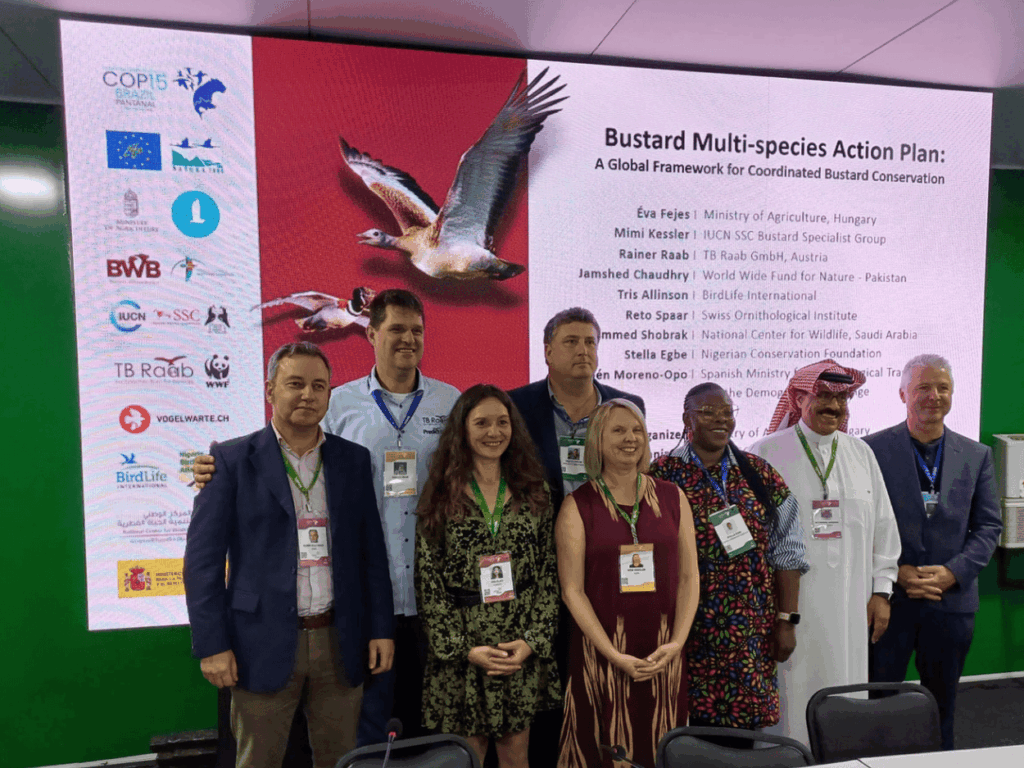
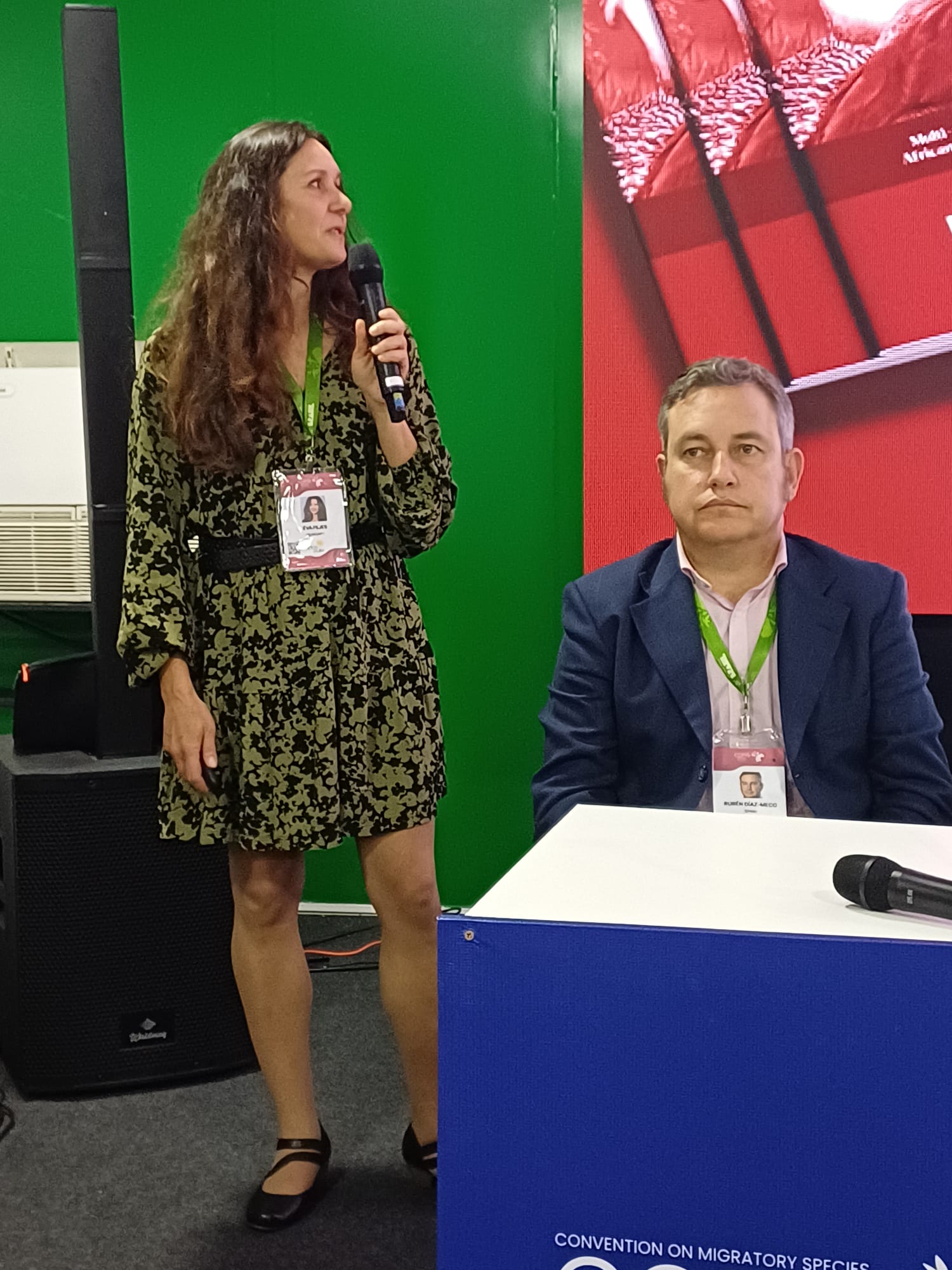
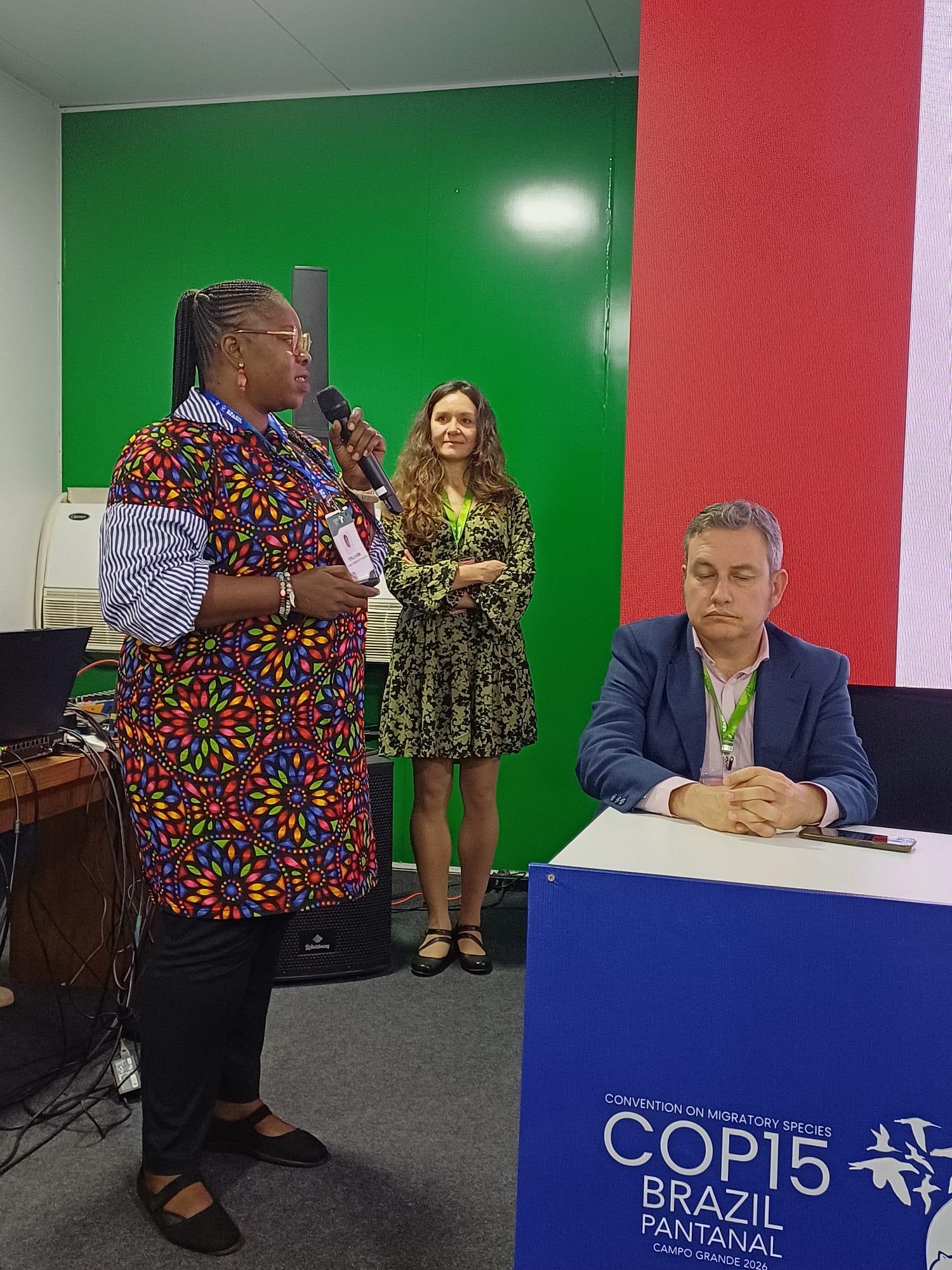
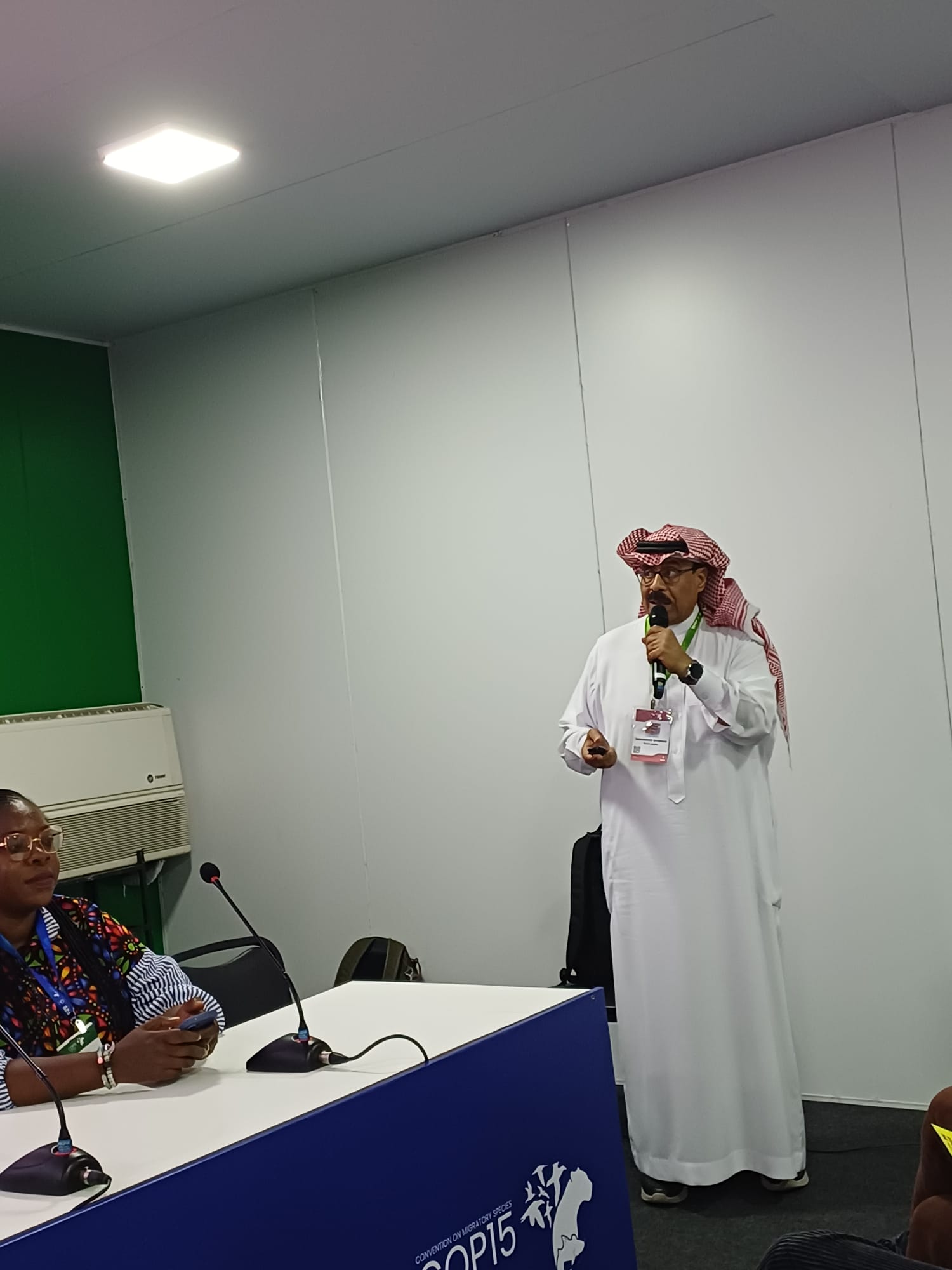
At the 15th Conference of the Parties (COP15) in Brazil, a dedicated side event titled “Bustard Multi-species Action Plan: a Global Framework for Coordinated Bustard Conservation” brought together leading experts, policymakers, and conservation practitioners from around the world.
The event focused on one of the most urgent challenges in bird conservation today: the rapid decline of bustards, one of the most threatened groups of terrestrial birds globally. Facing a wide range of pressures across their habitats, bustards require coordinated, international action to ensure their survival.
A key highlight of the session was the presentation of the Bustard Multi-species Action Plan (MsAP), developed by the Bustards Without Borders consortium. This comprehensive, science-based framework covers all 26 bustard species across 102 Range States and promotes collaboration, knowledge exchange, and the implementation of best practices worldwide. The MsAP has been submitted to CMS COP15 for adoption by Hungary, and its formal endorsement is currently under consideration.
The discussion clearly demonstrated that while the challenges are significant, strong momentum is building within the global conservation community. Participants emphasized the importance of aligning science, policy, and field-level action to achieve meaningful and lasting results.
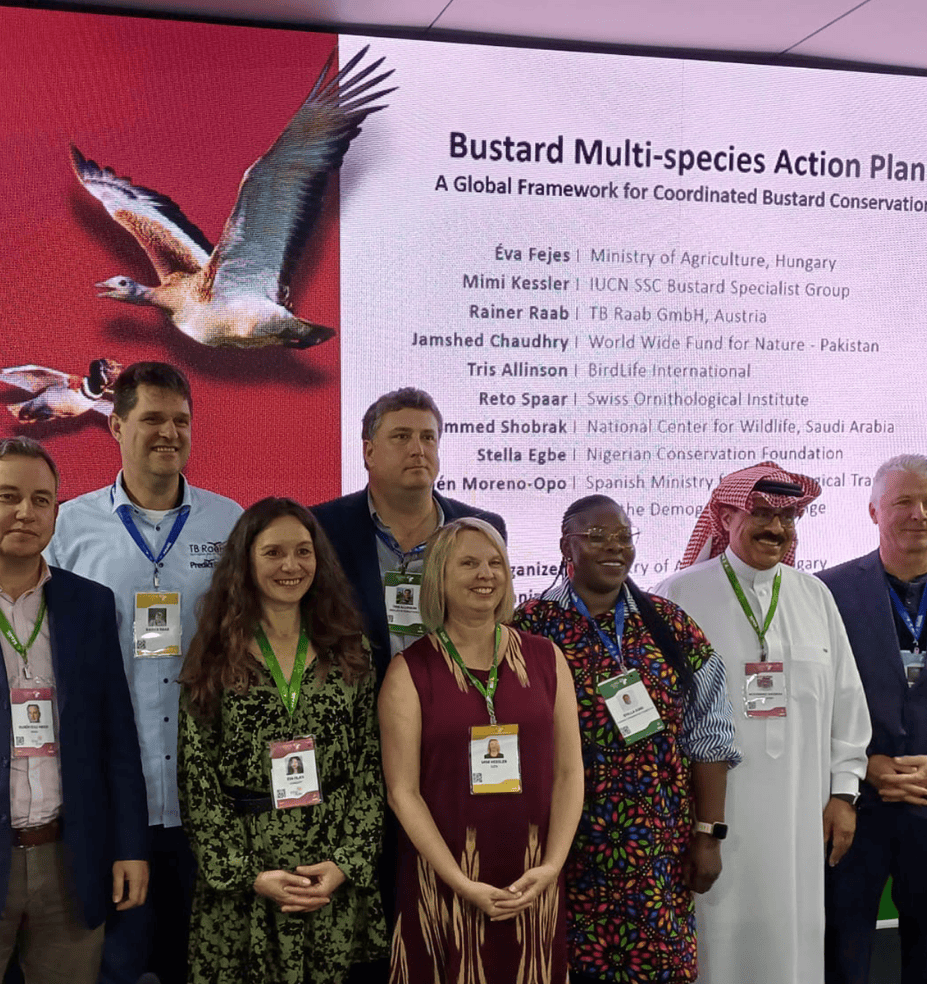
The event featured a distinguished panel of speakers representing a broad range of organizations and regions:
- Éva Fejes — Ministry of Agriculture, Hungary
- Mimi Kessler — IUCN SSC Bustard Specialist Group
- Rainer Raab — TB Raab GmbH, Austria
- Jamshed Chaudhry — World Wildlife Fund, Pakistan
- Tris Allinson — BirdLife International
- Reto Spaar — Swiss Ornithological Institute
- Mohammed Shobrak — National Center for Wildlife, Saudi Arabia
- Stella Egbe — Nigerian Conservation Foundation
- Rubén Moreno-Opo — Spanish Ministry for the Ecological Transition and the Demographic Challenge
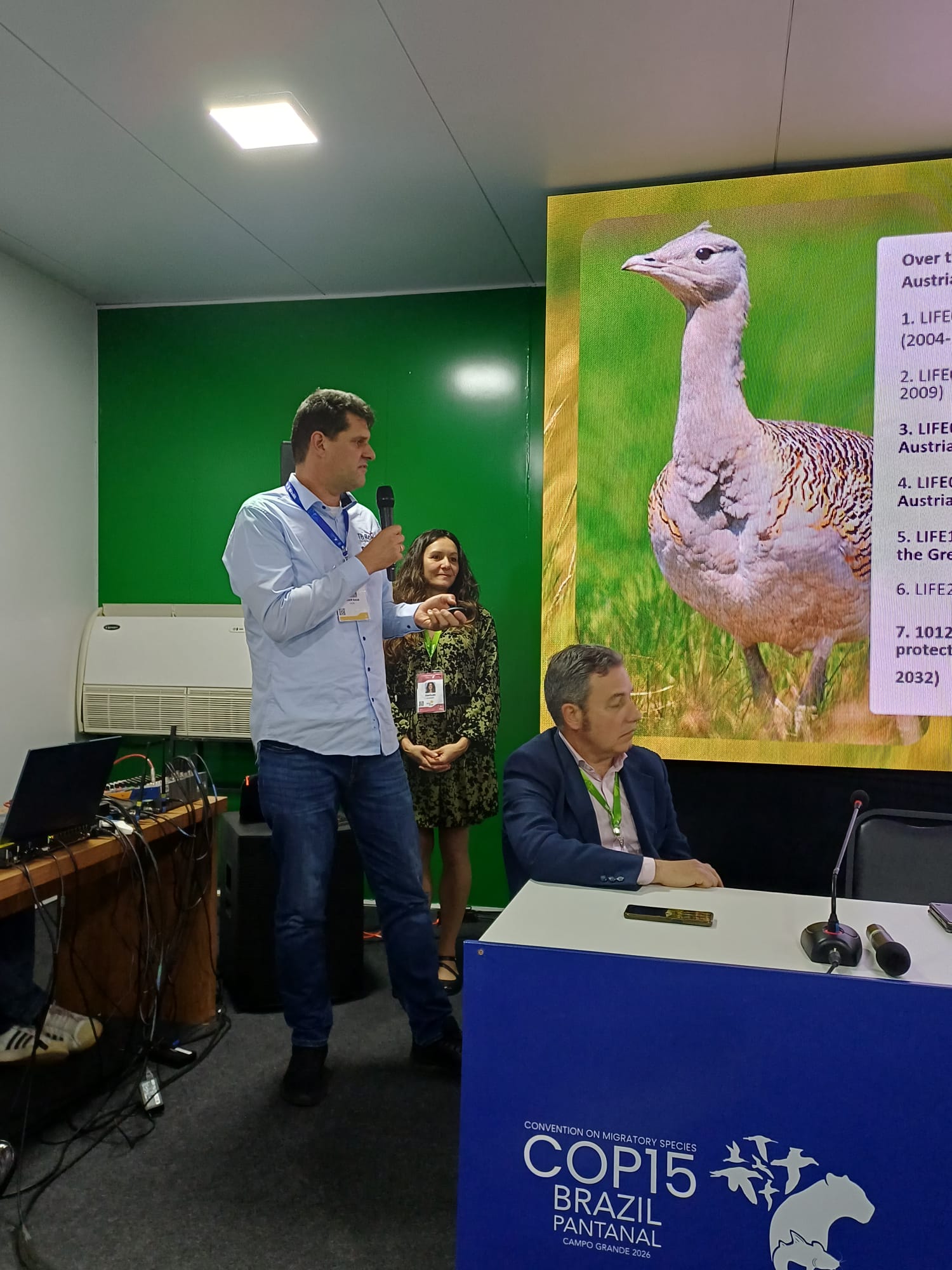
During the session, Rainer Raab, CEO of TB Raab GmbH, also briefly presented insights from the LIFE EUROBUSTARD project, highlighting practical conservation actions and experiences from Europe that contribute to the broader international efforts discussed.
TB Raab GmbH is proud to contribute to this important dialogue and to support ongoing efforts to safeguard bustard species worldwide. The outcomes of this session reaffirm that international collaboration is not only essential but already driving progress.